Once the capital city of Vietnam, Hue attracts both local and international visitors to witness its unique historical significance. This is evident through its palaces, numerous royal tombs, pagodas, and temples that showcase great ancient architectural and historical values. Among these, the Mieu Thai To Temple Complex stands out as one of the must-see attractions in Hue.
I. History of Mieu Thai To Temple Complex
The Mieu Thai To Temple Complex is situated in the southwest corner of the Imperial Citadel. It is a grand temple complex dedicated to the worship of the emperors of the Nguyen Dynasty. In 1821, Emperor Minh Mang decided to relocate Hoang Khao Mieu to the north and renamed it Hung To Mieu. He then built Mieu Thai To in its original location. As a result, both temples can be visited on foot as they are within the same compound.

The temple complex was initially built to honor Emperor Thai To Cao, which explains its name, Thai To Mieu. Over time, it has become a place to venerate all emperors of the Nguyen Dynasty. Despite Vietnam’s turbulent history marked by several wars, the temple complex has remained largely intact. It is considered one of the most untouched temples in Hue, preserving its historical and architectural authenticity.
As a crucial site for Nguyen Dynasty rituals, the temple complex spans a total area of 2 hectares, which constitutes about 1/18 of the Forbidden City and the Imperial Citadel. Apart from the main temple, the complex includes significant structures such as Hien Lam Pavilion, Cuu Dinh (Nine Dynastic Urns), Hung To Mieu, Tho Cong Tu, Ta Vu, and Huu Vu.
II. Structure of Mieu Thai To Temple Complex
1. Entrance and Main Compound
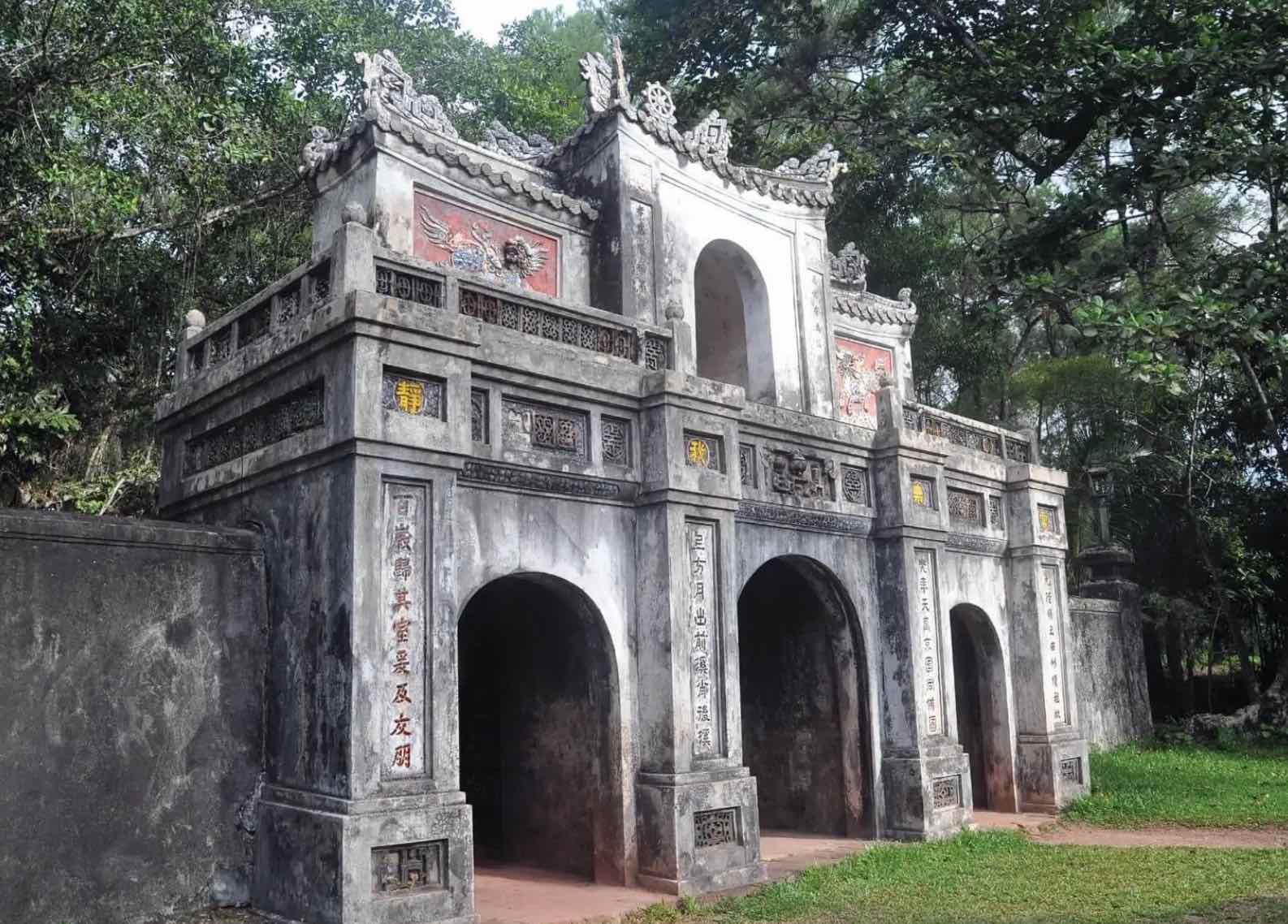
Entering the temple complex through the main gate, you will notice the “Tam Quan” gate, a typical architectural feature of the Nguyen Dynasty. The large courtyard is paved with Bat Trang tiles, a famous pottery brand in Vietnam during that era. On one side of the courtyard stands Hien Lam Pavilion, a striking three-story structure and the tallest construction in the citadel. On the opposite side, you can see the Nine Dynastic Urns.

2. Hien Lam Pavilion
Hien Lam Pavilion is a monument commemorating the achievements of Nguyen emperors. Built between 1821 and 1822, it significantly contributed to the Nguyen Dynasty’s heritage. The pavilion comprises three tiers with a total of nine rooms, featuring high artistic value with pillars intricately carved with royal patterns like dragons. The pavilion’s architecture reflects the grandeur and sophistication of the Nguyen Dynasty.
3. The Main Temple Compound
Moving into the main temple compound, you pass through two gates: Tuan Liet Gate on the left and Sung Cong Gate on the right. This leads you into the impressive Thai To Temple, which embodies typical Nguyen imperial architectural style. The temple is composed of two houses connected by a ceiling system, a style commonly seen throughout Hue Imperial City known as “Trung Thiem Diep Oc”.

4. The Hall System
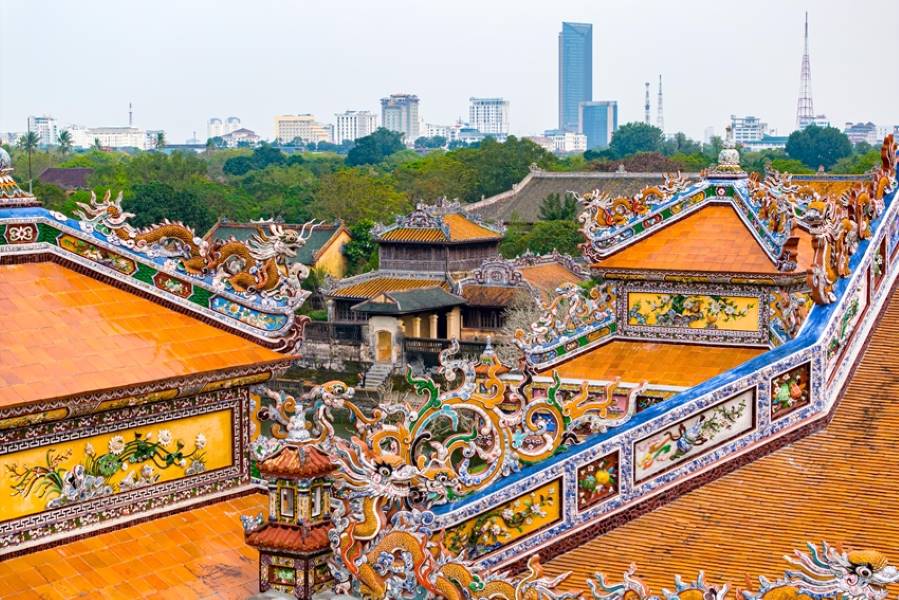
The hall system within the complex features wooden architecture divided into three parts. The front hall consists of 11 chambers and two wings, while the main hall has nine chambers with double wings on a stone platform. Inside, the rear hall is situated at the back of the building. These halls are connected by a crab shell-shaped corridor adorned with red and yellow lacquer. The roofs are constructed in the yin and yang style, with enamel paintings and dragon sculptures creating an elaborate ridge, a signature element of imperial architecture. On either side of the compound, two bronze unicorns symbolize sacred spirits that protect the Mieu Thai To Temple Complex.
5. The Nine Dynastic Urns
The Nine Dynastic Urns, or “Cửu Đỉnh”, are significant artworks within the temple complex. Constructed and completed in 1837, they represent the unity, beauty, and enduring existence of the Nguyen Dynasty. Each urn is dedicated to an emperor of the dynasty, with the central urn honoring Emperor Gia Long. The urns feature 153 carvings depicting themes such as the universe, rivers, mountains, weapons, and animals, showcasing a harmonious blend of carving and bronze casting. Remarkably, these urns remain in their original positions and have been preserved intact.
6. Thai To Mieu
The Thai To Mieu is the most important structure within the temple complex, covering an area of 2 hectares. It is divided into two interconnected houses: the main house with nine rooms and the secondary house with seven rooms. The roof, covered in lapis lazuli tiles, gives the temple a majestic appearance. Inside, the temple exudes an atmosphere of ancient times, evoking the grandeur of the Nguyen Dynasty. Visitors must dress respectfully, covering their shoulders and knees, to show reverence to the Nguyen emperors.
The temple houses altars dedicated to 10 emperors. According to Nguyen lineage law, only seven emperors who died while still reigning could be worshipped in Thai To Mieu. However, in 1958, altars for three more patriotic emperors – Thanh Thai, Ham Nghi, and Duy Tan – were added. The altar of Emperor Gia Long and his empresses is centrally placed, with the altars of other kings arranged on the left and right.
III. Highlights of Mieu Thai To Temple Complex
1. Architectural Significance
The Mieu Thai To Temple Complex showcases the pinnacle of Nguyen Dynasty architecture. The “Tam Quan” gate, the Bat Trang tiled courtyard, and the intricately carved pillars of Hien Lam Pavilion reflect the architectural sophistication of the era. The yin and yang-style roofs, enamel paintings, and dragon sculptures add to the complex’s artistic and cultural value.
2. Historical Importance
As a site dedicated to the worship of Nguyen emperors, the temple complex holds significant historical importance. It offers insight into the rituals, traditions, and lineage of the Nguyen Dynasty. The preservation of the complex through various historical upheavals attests to its resilience and enduring legacy.
3. Cultural Heritage
The Mieu Thai To Temple Complex is not only a historical site but also a cultural heritage monument. The Nine Dynastic Urns symbolize the unity and continuity of the Nguyen Dynasty, while the altars and temples reflect the dynasty’s reverence for its rulers. The complex provides a glimpse into the cultural and spiritual practices of the time.
IV. Visiting Mieu Thai To Temple Complex
1. What to See and Do
Visitors to the Mieu Thai To Temple Complex can explore the architectural marvels of Hien Lam Pavilion, the Nine Dynastic Urns, and the main temple compound. The intricate carvings, lacquered corridors, and bronze sculptures offer a visual feast for those interested in historical architecture. Additionally, the temple complex provides a serene environment for reflection and appreciation of Vietnam’s imperial past.
2. Nearby Attractions
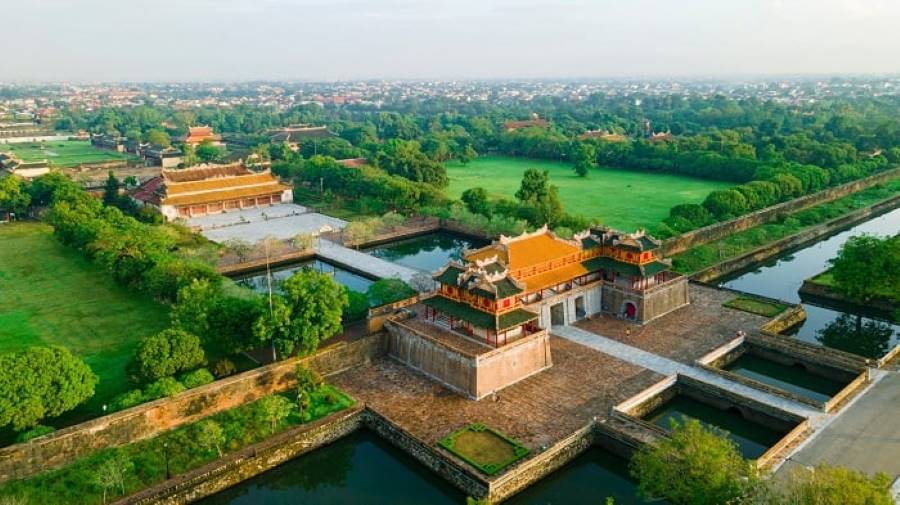
The Mieu Thai To Temple Complex is part of the larger Hue Imperial City, a UNESCO World Heritage site. Other notable attractions within the imperial city include the Thai Hoa Palace, Ngo Mon Gate, Flag Tower, and the Forbidden City. Each site offers a unique perspective on the history and culture of the Nguyen Dynasty.
3. Local Cuisine
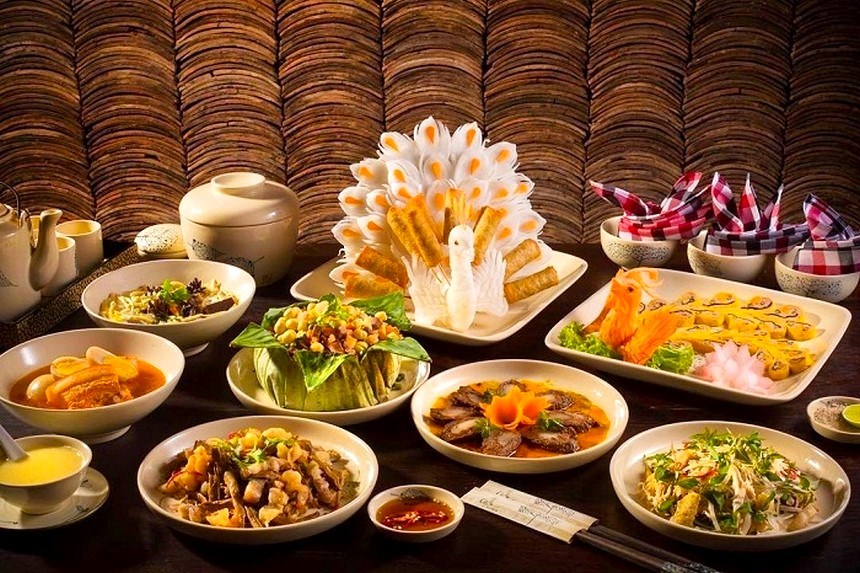
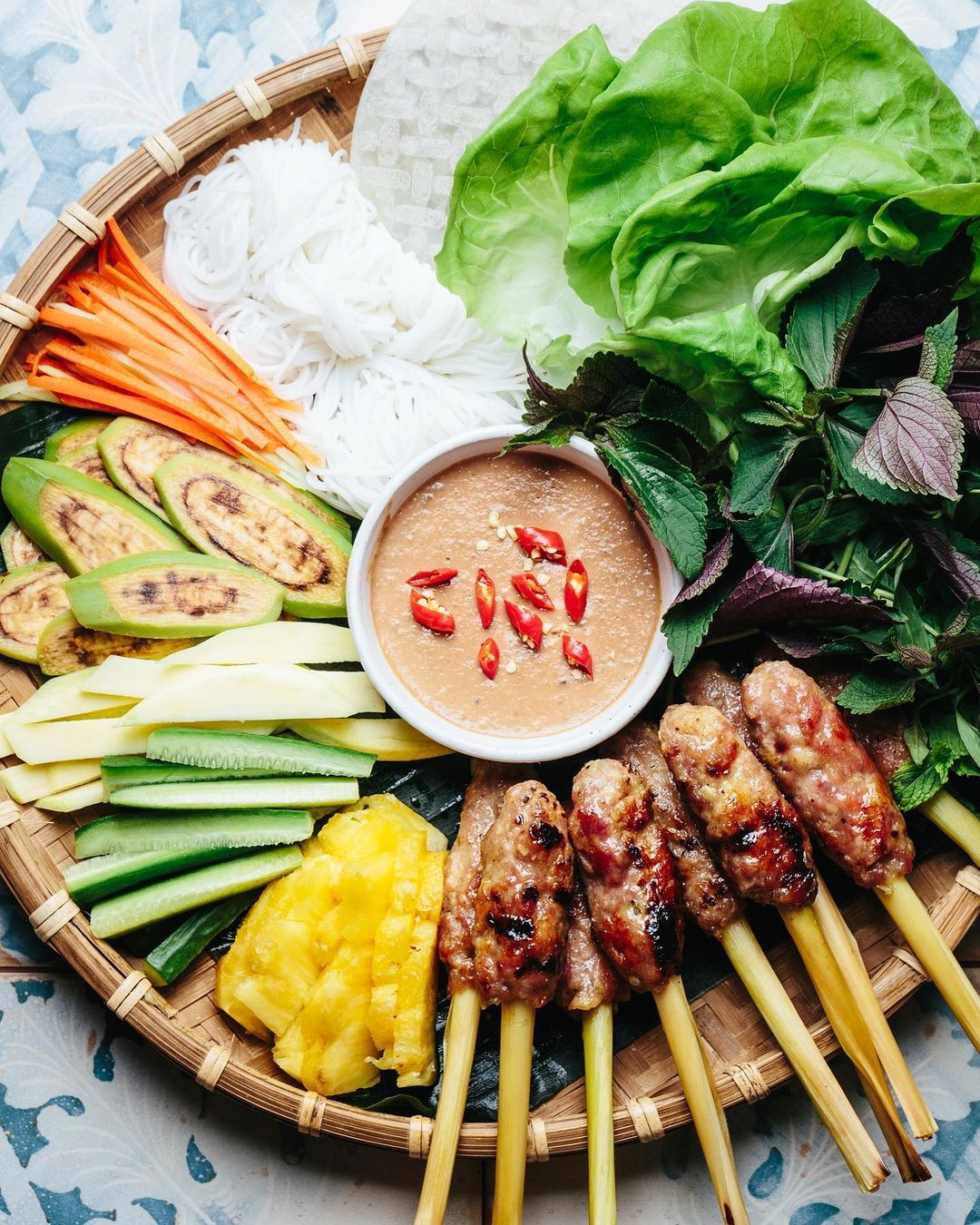
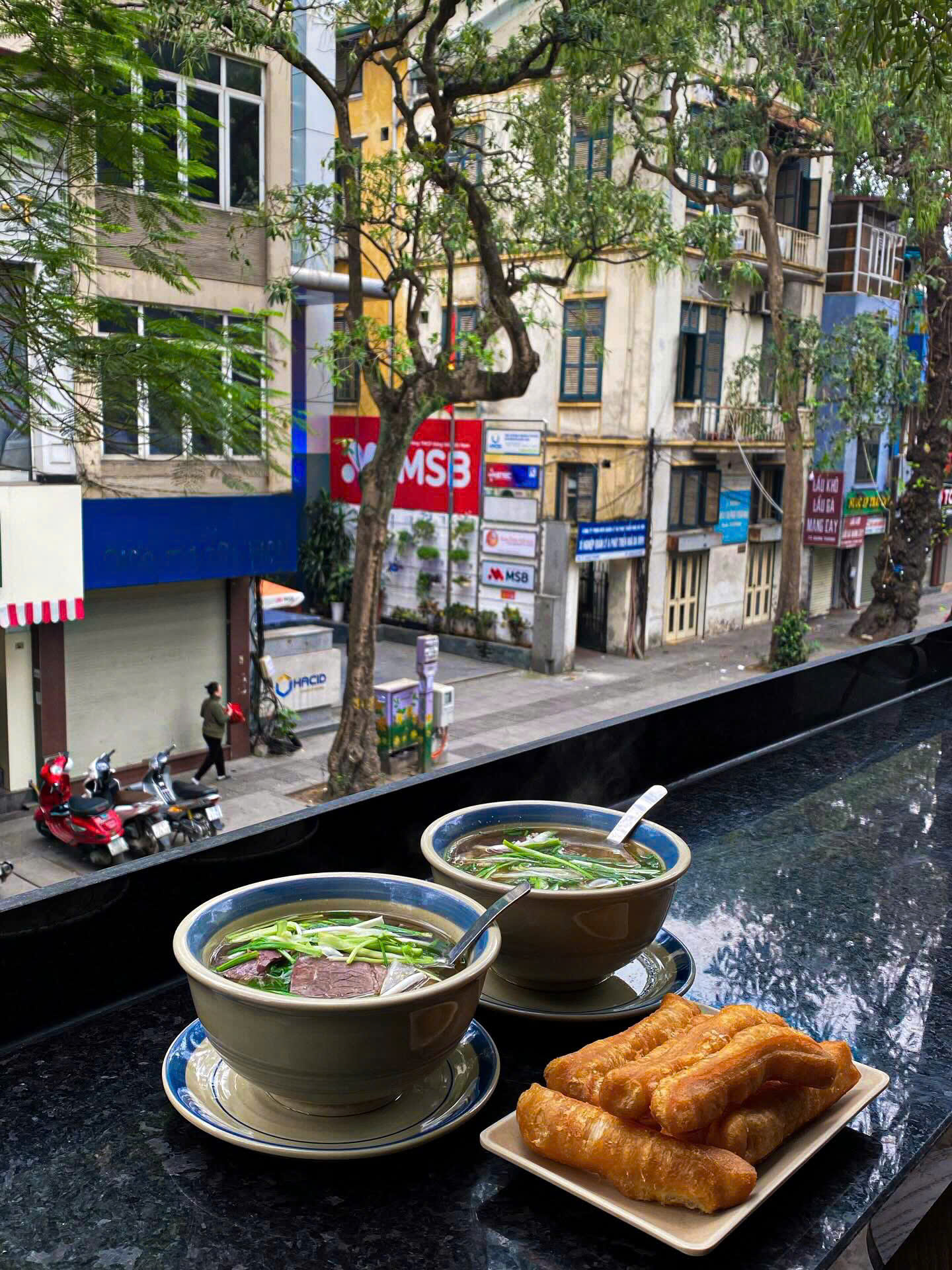
While visiting Hue, tourists should not miss the opportunity to savor the city’s unique cuisine. Hue is renowned for its spicy and flavorful dishes, such as mussel rice, Hue beef noodles, grilled spring rolls, and banh khoai. Sweet desserts like sweetened porridge and “me xung” candy provide a delightful end to any meal.
V. How to Get to Mieu Thai To Temple Complex
Hue is accessible by plane from major cities such as Hanoi and Ho Chi Minh City. The nearest airport, Phu Bai Airport, is about 15 kilometers from Hue Imperial City, and a taxi ride from the airport takes approximately 20 minutes. Visitors can enter the imperial city through Ngo Mon Gate and easily reach the Mieu Thai To Temple Complex.
VI. Extra Tips for Visitors
- Dress Code: Visitors should dress respectfully, covering their shoulders and knees, to honor the historical and cultural significance of the temple complex.
- Photography: Photography is restricted in certain areas, and visitors should adhere to these rules.
- Respect: Do not touch objects inside the constructions and follow designated paths to preserve the site.
- Navigation: Bring a map of Hue Imperial City to navigate the large area and numerous structures.
- Environment: Keep the site clean and dispose of litter properly.
The Mieu Thai To Temple Complex is a testament to the architectural, historical, and cultural heritage of the Nguyen Dynasty. Its well-preserved structures, intricate carvings, and symbolic artworks provide an authentic glimpse into Vietnam’s imperial past. For those interested in exploring the rich history and culture of the Nguyen Dynasty, a visit to the Mieu Thai To Temple Complex is an enriching and unforgettable experience.