Ngo Mon Gate, also known as the Meridian Gate, is intricately linked to the Hue Imperial Citadel. Both expats and Vietnamese locals believe that studying this ancient citadel provides deeper insights into Hue’s culture and Vietnamese history. The gate is widely regarded as a masterpiece in various aspects. Alongside Truong Tien Bridge, the Stage of Flag, and Thien Mu Pagoda, the Meridian Gate stands as one of the most iconic landmarks of Hue City and the Complex of Hue Monuments, which is recognized as a UNESCO World Heritage Site.
Location: Hue Imperial Citadel Complex, Phu Hau, Hue City, Thua Thien Hue
Opening Hours: Every day from 7:00 to 17:00
I. History of Ngo Mon Gate

1. Construction
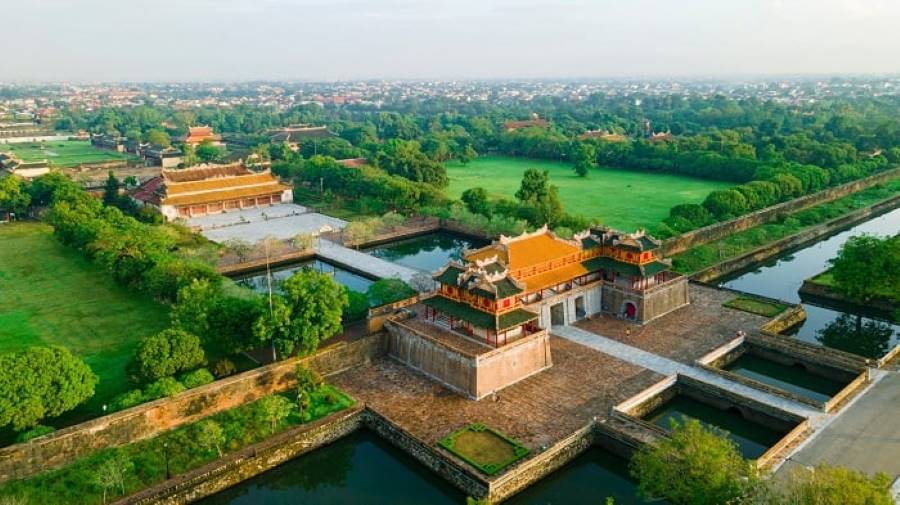
Ngo Mon Gate, the main southern gate of the Hue Imperial Citadel, is considered the face of the Imperial Wall and the Nguyen Dynasty. Built during the reign of King Minh Mang, the second emperor of the Nguyen Dynasty, the gate was constructed in 1833 alongside the renovation of the Nguyen Dynasty’s castle. It replaced previous structures like Nam Khuyet Dai and Can Nguyen Palace, which were dismantled to make way for the new gate.
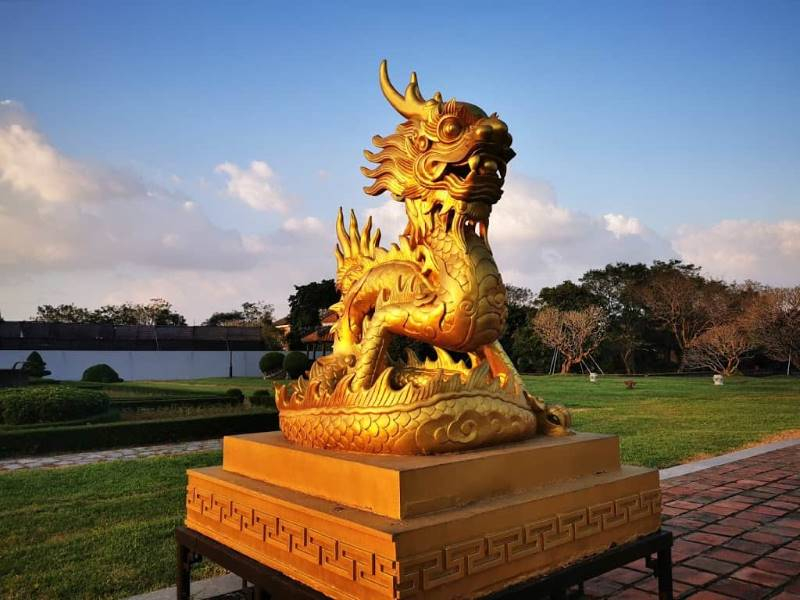
In 1968, during the Battle of Mau Than, Ngo Mon Gate suffered severe damage. Restoration efforts began in 1970, helping to preserve this historical monument.
2. The Name
According to traditional principles, the Emperor would sit facing south to rule the kingdom. Therefore, the entire Imperial Citadel was built with a Northeast-Southwest orientation. Ngo Mon, meaning “south gate,” refers to its directional significance. Some may misinterpret the name as “Noon Gate” due to the dual meaning of “Ngo” in Vietnamese-Chinese, but the correct translation is “Meridian Gate,” emphasizing its spatial orientation rather than time.
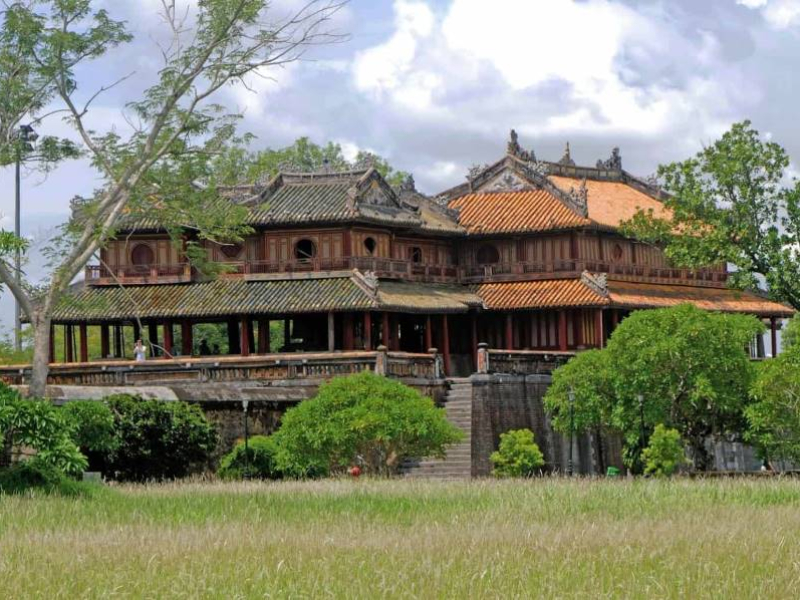
Despite being the main gate, Ngo Mon Gate was primarily used for ceremonial purposes. It was the entrance for the Emperor and his entourage and used for welcoming important delegates.
3. Function
Ngo Mon Gate is not just an entryway but also a ceremonial gate leading to the Ky Pedestal. It has witnessed numerous significant events in Vietnamese history, such as the Truyen Lo ceremony (honoring new doctoral graduates), the Ban Soc ceremony (calendar distribution), and military parades. The most notable event was the abdication ceremony of the last Vietnamese Emperor, Bao Dai, on August 30, 1945.

4. Meaning and Values
Over 180 years, Ngo Mon Gate has stood resilient against time, nature, climate, and war. It symbolizes Hue’s historical and cultural heritage. Dr. Phan Thanh Hai, former Director of the Hue Monuments Conservation Center, remarked on its significance: “Amidst the shade of trees, flowers, and water, Ngo Mon Gate always evokes a sense of relaxation and peace, becoming a natural symbol of Hue.”
II. Highlights of Ngo Mon
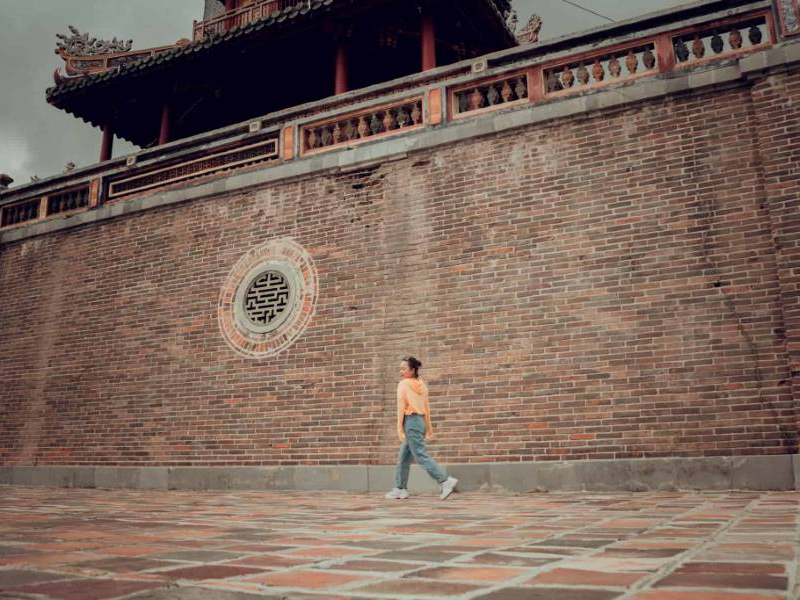
Ngo Mon Gate is renowned for its grandeur and unique architecture. Often mistaken for midday or noon, the name reflects its position in the overall architecture of the Imperial Citadel. As the main gate to the Imperial City, it offers visitors a prime location to appreciate the scenery of Hue Citadel.
1. Architecture
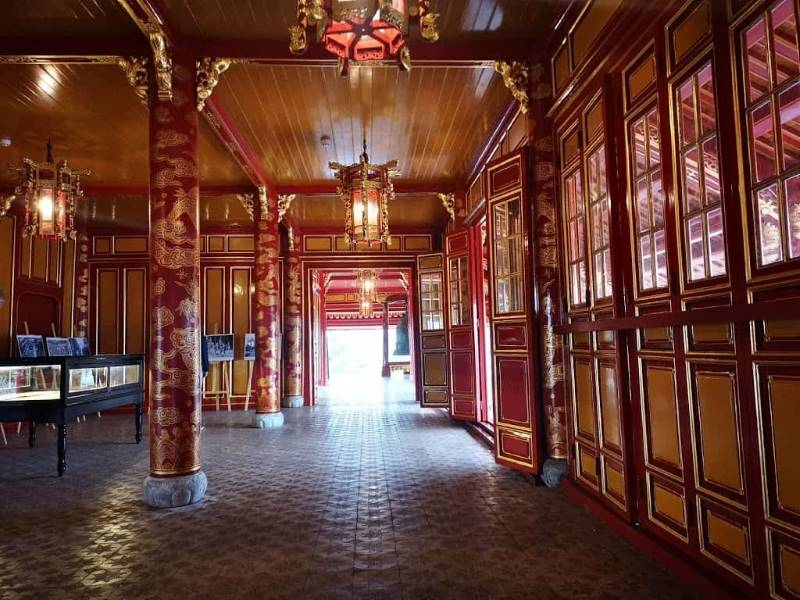
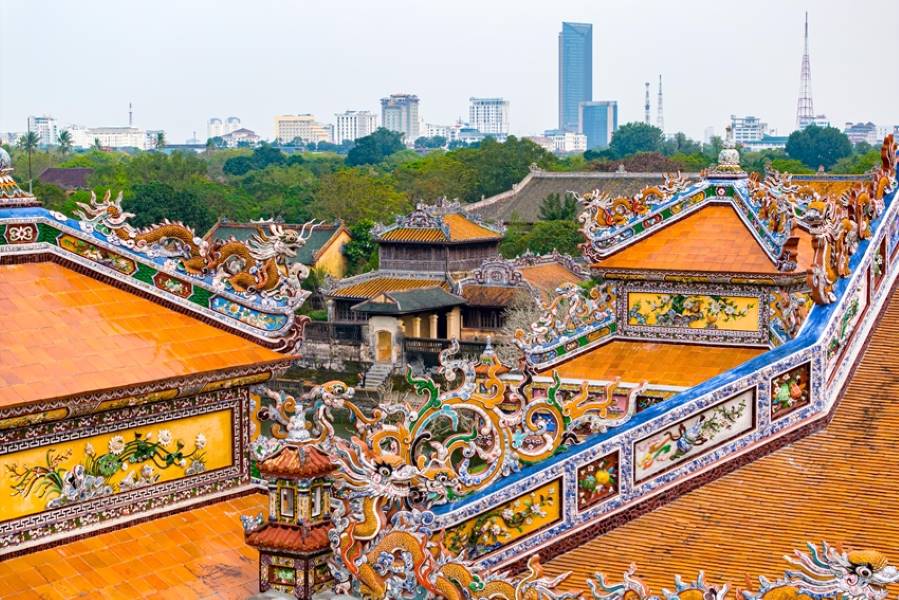
Ngo Mon Gate is a prime example of ancient Vietnamese architecture. Despite enduring wars and natural disasters, it remains a testament to skillful construction techniques. The gate resembles its counterpart in Beijing’s Forbidden City but retains distinct Vietnamese architectural styles. Standing on Ngu Phung Pavilion provides a panoramic view of the Hue Citadel, with the Flag Tower featuring prominently.
2. Structure
Ngo Mon Gate consists of two main parts: the ground level (Dai) and the upper level (Ngu Phung Pavilion). The ground level, U-shaped and made of brick and stone, is nearly 5 meters high and covers over 1,560 square meters. It includes five entrances, each designated for different classes of people, with the central entrance reserved for the Emperor.
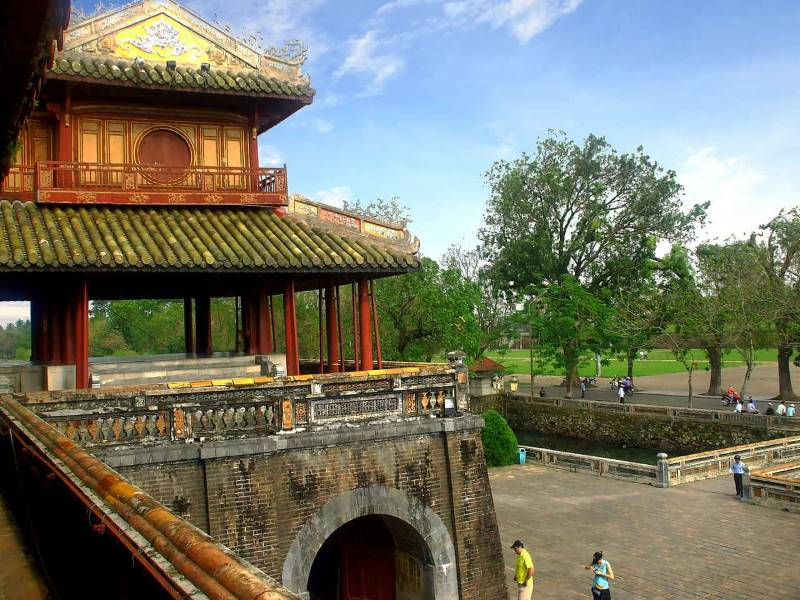
The Ngu Phung Pavilion, or Five Phoenix Pavilion, on the upper level, is entirely made of ironwood with 100 pillars. It features 13 rooms with five roofs in two rows, creating an elegant and harmonious architectural masterpiece. The central roof is covered with yellow tiles, while the remaining roofs are green-tiled, contributing to the gate’s aesthetic appeal.
III. How to Get to Ngo Mon Gate
Ngo Mon Gate is part of the Hue Imperial Citadel. Here are some ways to reach it:
- By Grab/Be: Popular ride-hailing apps in Vietnam, convenient for booking taxis or motorbikes with upfront pricing.
- By Walking: If staying nearby, walking offers a chance to enjoy Hue’s streets and scenery, especially in the early morning.
IV. Facts and Tips
- Restoration: Ngo Mon Gate has been restored, and ongoing conservation efforts aim to relive meaningful historical events for tourists.
- Local Markets: Visit Dong Ba Market for a vibrant shopping experience.
- Hue Festival: Held around April to May, it’s the busiest time with cultural activities. Plan and book accommodations in advance.
- Entrance Tickets: Buy tickets outside the Imperial City. Dress modestly and avoid filming or taking pictures in restricted areas. Do not bring flammable substances or smoke inside palaces or sanctuaries.
Visiting Ngo Mon Gate offers a deep dive into Vietnamese history and culture. As a symbol of Hue and a representation of ancient architecture, it provides a memorable and enriching experience. Make sure to explore this remarkable gate and the surrounding historical sites for a complete Hue adventure.
Planning a trip to Hue? Browse our Hue tours.