Located in Hue, a city known for its deep spiritual connections and rich cultural heritage, Tu Hieu Pagoda stands as one of the most significant and historic Buddhist temples in Vietnam. The pagoda, often referred to as the “Pagoda of Filial Responsibility,” not only embodies profound religious values but also serves as a must-visit destination for travelers who wish to explore the region’s unique blend of history, spirituality, and nature.
Address:
Tu Hieu Pagoda is situated just 5 kilometers (about 3.3 miles) southwest of Hue’s city center, nestled within a tranquil pine forest. Visitors can easily reach this peaceful sanctuary by a short drive or bike ride, making it an ideal stop for those looking to escape the hustle and bustle of the city. The exact address is:
Chua Tu Hieu, Duong Le Ngo Cat, Thuy Xuan Ward, Hue, Vietnam
Entry Fee:
Tu Hieu Pagoda welcomes all visitors free of charge, with no entry fees required to explore this sacred site. However, donations are always appreciated, helping the pagoda maintain its beautiful grounds and support the daily needs of the monks.
1. Historical Significance of Tu Hieu Pagoda
Founded in the mid-19th century during the Nguyen Dynasty, Tu Hieu Pagoda owes its name and legacy to its revered founder, Most Venerable Nhat Dinh. The pagoda’s history is closely tied to the story of Nhat Dinh’s unwavering filial piety. During his mother’s illness, despite being a monk who followed a vegetarian lifestyle, Nhat Dinh went against convention and followed the doctor’s advice to prepare meat and fish to nourish her. His dedication to his mother inspired Emperor Tu Duc, who later granted the temple its name, “Tu Hieu,” symbolizing the virtues of filial responsibility.
Emperor Tu Duc, known for his own deep respect for his parents, further connected with the pagoda by bestowing the title “Sac Tu Tu Hieu Tu,” enhancing its prestige. Nhat Dinh’s actions exemplified two of the core teachings of Buddhism: compassion and filial piety. This act not only solidified the pagoda’s place in Vietnamese history but also made it a lasting symbol of devotion and love for one’s family.
2. Architectural Elegance and Tranquil Surroundings
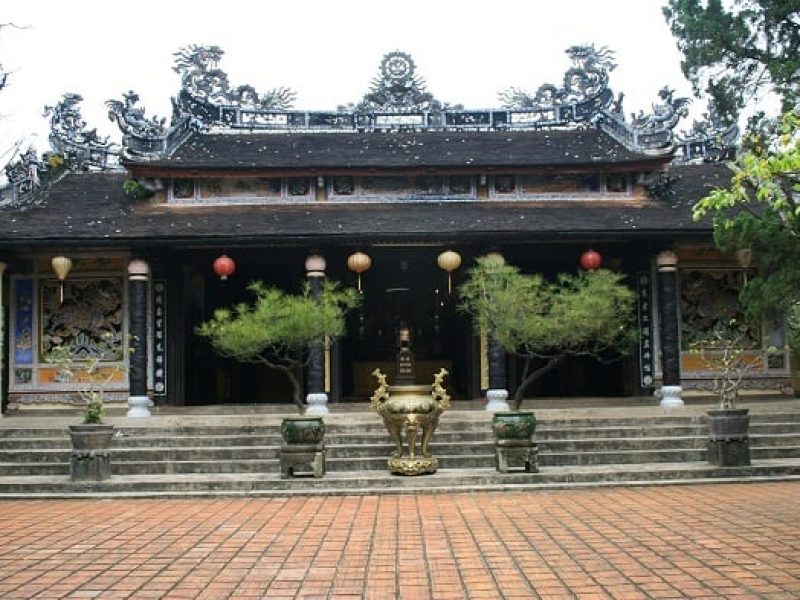
Tu Hieu Pagoda’s architecture is a graceful blend of traditional Vietnamese style with elegant touches of Chinese influence. The entire complex is designed in the shape of the Chinese character “Khau” (mouth), which symbolizes communication and harmony. The pagoda’s main building comprises three rooms and two wings, with the central sanctuary dedicated to the worship of Buddha.
A striking feature of Tu Hieu Pagoda is its three-story tower located at the front, constructed to preserve Buddhist scriptures and statues. Visitors can explore this tower and admire the intricate craftsmanship involved in its creation.
Surrounding the pagoda is a serene pine forest, small streams, and beautifully landscaped gardens. The natural setting provides an atmosphere of peace and reflection, making it an ideal place for meditation or quiet contemplation. This picturesque landscape, combined with the historical architecture, creates a harmonious blend of natural beauty and spiritual significance.
Unique Features of Tu Hieu Pagoda:
- The Altar of Le Van Duyet: A remarkable aspect of this pagoda is the altar dedicated to Le Van Duyet, a mandarin from the Gia Long era. This feature sets Tu Hieu apart from other temples, as it uniquely honors historical figures from Vietnamese governance in addition to traditional Buddhist deities.
- The Tomb of the Eunuchs: Another fascinating feature is the graveyard located beside the pagoda, where many eunuchs from the Nguyen Dynasty are buried. These eunuchs played a significant role in supporting the construction of the pagoda through donations and were granted resting places in its sacred grounds.
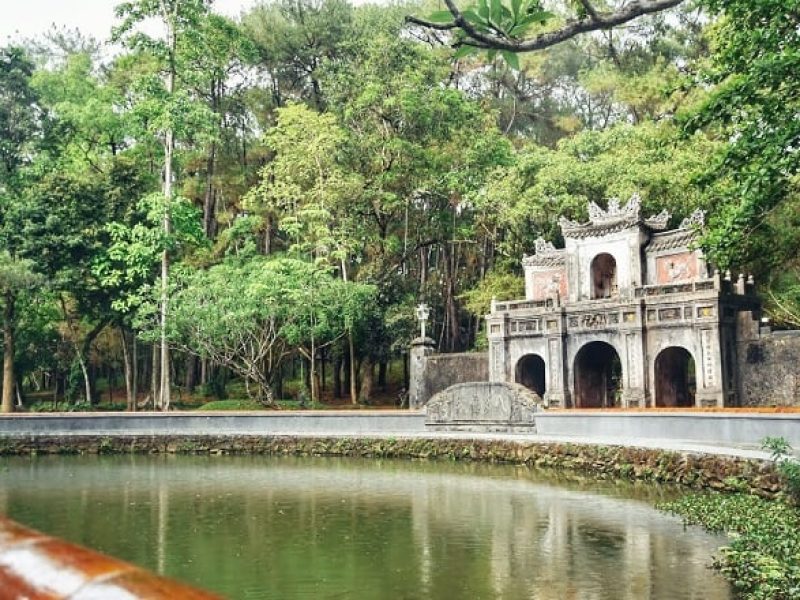
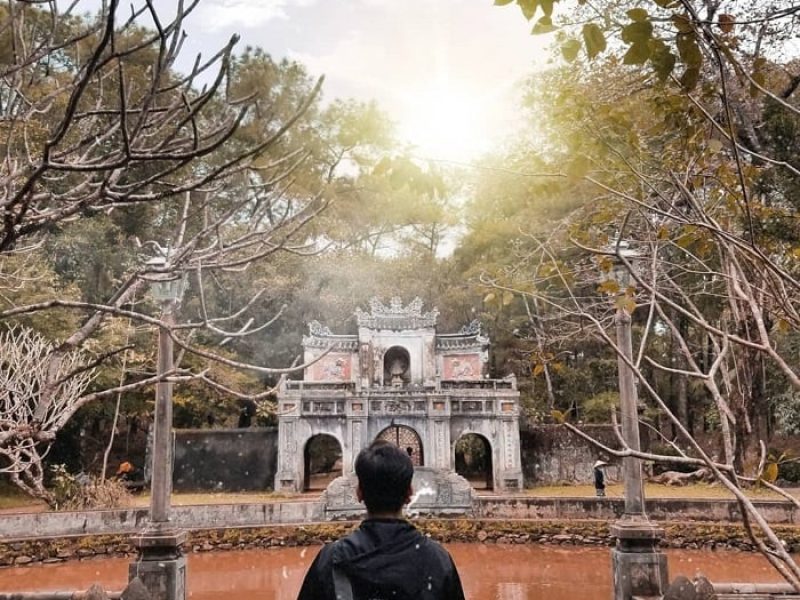
- The Crescent-Shaped Lotus Pond: Upon entering the pagoda, visitors are greeted by the sight of a crescent-shaped lotus pond, reflecting the beauty of the surrounding architecture and serving as a calming centerpiece of the entrance.
3. The Influence of Thich Nhat Hanh
Tu Hieu Pagoda is also known as the root temple of the world-renowned Zen Master Thich Nhat Hanh, a Vietnamese Buddhist monk, teacher, poet, and peace activist. Born in Hue in 1926, Thich Nhat Hanh was ordained at Tu Hieu Pagoda and has since become a leading figure in promoting mindfulness and peace. Though he spent much of his life in exile, Thich Nhat Hanh’s teachings and writings continue to inspire millions around the world.
Visitors to Tu Hieu Pagoda often come to pay their respects to the legacy of Thich Nhat Hanh, who has had a profound impact on global Buddhism. His teachings emphasize the importance of living in the present moment, loving-kindness, and non-attachment – values that are reflected in the peaceful ambiance of the pagoda.
4. Spiritual Practices and Visiting Hours
For those seeking to experience the spiritual side of Tu Hieu Pagoda, there are specific times when the monks gather for chanting and meditation. The best times to witness these spiritual ceremonies are at 10:00 AM and 4:00 PM, when the temple resonates with the calming sounds of Buddhist chants.
Visitors are encouraged to observe respectfully, dress modestly, and refrain from loud conversations to maintain the sacred atmosphere of the pagoda. Photography is allowed, but it’s advised to ask for permission before capturing images of the monks or religious ceremonies.
The pagoda is open daily from 9:00 AM to 5:00 PM, allowing ample time for exploration, reflection, and participation in spiritual practices.
5. How to Get to Tu Hieu Pagoda
Tu Hieu Pagoda is conveniently located just 5 kilometers southwest of Hue’s city center, making it an easy destination for a day trip or a brief stop while visiting other nearby attractions like Tu Duc’s Tomb. The pagoda can be reached by car, motorbike, or bicycle, offering a scenic and pleasant journey through Hue’s countryside.
For those traveling by motorbike or car, it’s best to follow Le Ngo Cat Street, which leads directly to the pagoda. There is parking available for both motorbikes and cars at the entrance, with a small fee of around VND 10,000 for motorbikes and VND 20,000 for cars (approximately USD 0.50 to USD 1).
6. Conclusion
Tu Hieu Pagoda is more than just a Buddhist temple; it’s a symbol of devotion and peace. For an unforgettable experience steeped in history, spirituality, and serene landscapes, don’t miss visiting this sacred site on your next trip to Hue. For personalized tours, including detailed guides and insider tips, contact Vietnam Discovery Tours via WhatsApp for your tailored travel experience.