Da Lat, often referred to as the “City of Eternal Spring,” is not only celebrated for its cool climate and stunning natural beauty but also for its historic French colonial architecture. One of the most prominent landmarks in the city is Bao Dai’s Summer Palace, a charming villa that once served as the summer retreat for the last emperor of Vietnam, King Bao Dai. Nestled just 2.5 kilometers south of the city center, this palace offers visitors a fascinating glimpse into the life of Vietnam’s last royal family.
1. Overview and Introduction
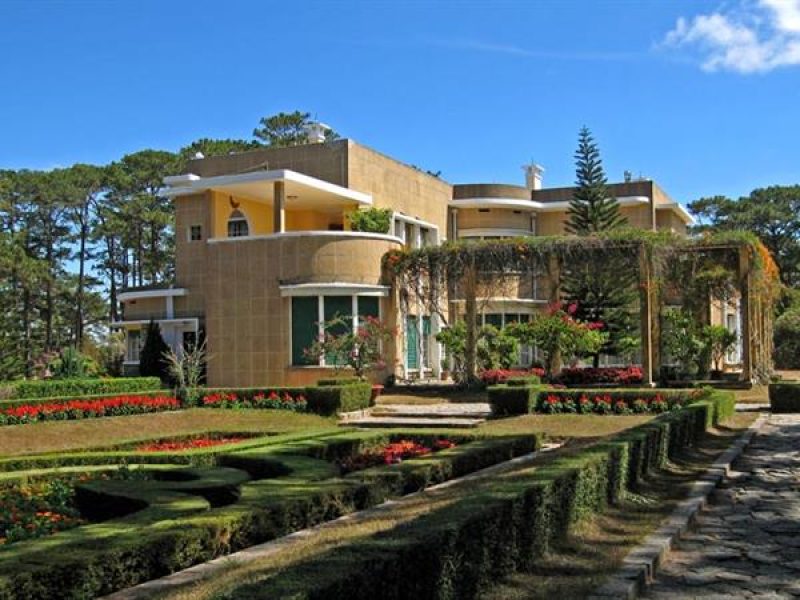
Built between 1933 and 1937, Bao Dai Summer Palace is a must-see attraction in Da Lat. Located on Trieu Viet Vuong Street, the palace was once the summer retreat of King Bao Dai, the last emperor of Vietnam’s Nguyen Dynasty. Set amidst a lush pine forest, the palace exudes tranquility and elegance, offering a perfect blend of royal history and French colonial architecture. Today, it remains one of the city’s top tourist destinations, allowing visitors to step back in time and experience the luxurious life of the last Vietnamese emperor and his family.

2. History and Location
The Bao Dai Summer Palace, also known as Dinh III, was constructed under the reign of King Bao Dai and was completed in 1937. As the last emperor of Vietnam, Bao Dai used this palace as a family residence during the warmer months. The palace became a significant site during French colonial rule when the emperor played a ceremonial role while the French governed the country. After 1950, Bao Dai’s Summer Palace was not only a royal residence but also his office when he was not at the main palace in Hue.
The palace is located approximately 2.5 kilometers south of Da Lat’s central market on Trieu Viet Vuong Street, surrounded by dense pine forests. This secluded location provided the royal family with a peaceful retreat from the heat and political turmoil of the capital city.
3. Architectural Highlights
The design of Bao Dai’s Summer Palace reflects the Art Deco style popular during the early 20th century. The two-story structure is modest compared to some royal palaces but features unique characteristics that speak to both French and Vietnamese influences. Set amidst tall pine trees, the palace blends harmoniously with the natural surroundings. The building is divided into two main floors:
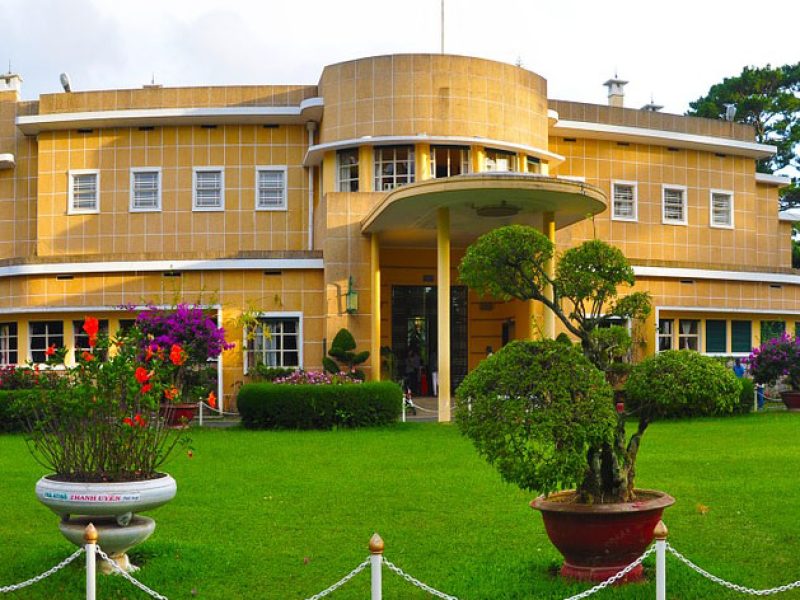
- Ground Floor: This was the working area of the king. Visitors will find rooms such as the office where Bao Dai conducted official meetings, a guest reception room, and a formal dining hall used for hosting important dignitaries.
- Second Floor: The second floor served as the living quarters for the royal family. It includes the king’s bedroom, the queen’s bedroom, and their children’s rooms. The king’s room also features a special balcony known as the “Watching Moon Balcony,” which allowed the royal couple to enjoy moonlit evenings.
The building’s exterior is minimalist but elegant, emphasizing function over form. However, the clean lines and simple geometric shapes typical of the Art Deco movement still give it a timeless charm.
4. Exploring the Palace’s Rooms
One of the highlights of visiting Bao Dai’s Summer Palace is the opportunity to explore its 25 rooms, each offering a unique glimpse into the life of the royal family.
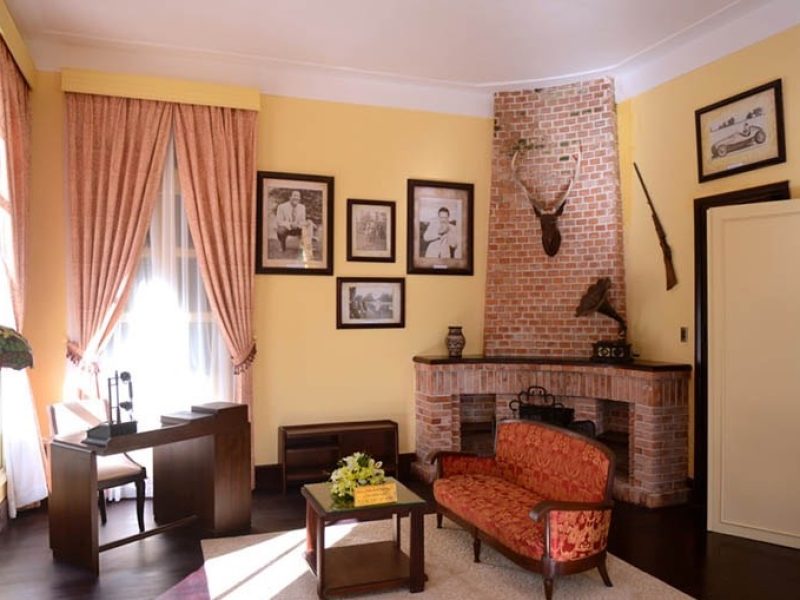
- King’s Office: The first floor includes the king’s office, which is filled with personal items, photographs, and documents related to the governance of Vietnam during his reign. One notable piece in this room is the engraved glass map of Vietnam, a gift presented to King Bao Dai, symbolizing his dominion over the country.
- Queen’s Bedroom: On the second floor, visitors will find the queen’s private quarters. This room is decorated with feminine touches, such as floral motifs and pastel colors, reflecting her personal style and status.
- Children’s Rooms: Each room assigned to the royal children is painted in different colors, symbolizing their unique personalities and ranks within the family. For instance, the eldest son’s room is painted a regal yellow, a color that traditionally represents royalty in Vietnam.
- Watching Moon Balcony: One of the palace’s most famous features is the balcony adjoining the king’s bedroom. Known as the Watching Moon Balcony, this space was used by the emperor and his wife to gaze at the moon and enjoy the cool mountain air of Da Lat.
The palace also houses a collection of artifacts, including family portraits, life-size busts of Bao Dai and his father Emperor Khai Dinh, and gifts from international dignitaries.
5. How to Get There
Bao Dai Summer Palace is easily accessible from the center of Da Lat. Visitors can take a short taxi ride or motorbike from the city’s central market. The palace is located just 2.5 kilometers away, making it a convenient stop for those exploring other nearby attractions.
- Address: 01 Trieu Viet Vuong Street, Ward 4, Da Lat, Vietnam
- Distance from City Center: 2.5 kilometers
- Travel Options: Visitors can use a taxi, motorbike, or even take a leisurely walk from the city center.
6. Visitor Information
Bao Dai Summer Palace is open to the public and remains one of Da Lat’s most visited attractions. The entry fee is minimal, making it an affordable stop for tourists interested in learning more about Vietnam’s royal history.
- Opening Hours: 7:00 AM – 11:00 AM, 1:30 PM – 4:00 PM
- Entrance Fee: Approximately VND 10,000 (around $0.50 USD)
- Additional Fees: There is an extra charge for bringing a camera inside the palace. Visitors are also required to remove their shoes before entering certain areas of the palace.
7. Conclusion
Visiting Bao Dai’s Summer Palace in Da Lat is a memorable experience that offers a rare glimpse into Vietnam’s imperial history. The palace, with its unique architecture, fascinating historical artifacts, and serene surroundings, is a must-visit destination for history lovers, architecture enthusiasts, and travelers looking to explore the city’s rich cultural heritage. Whether you’re wandering through the king’s chambers or taking in the view from the Watching Moon Balcony, Bao Dai’s Summer Palace will transport you back to a time when Vietnam’s royal family still held sway over the nation.
For more exciting Vietnam travel experiences, don’t forget to check out Vietnam Discovery Tours. You can also contact us via WhatsApp for personalized travel recommendations and tour bookings.