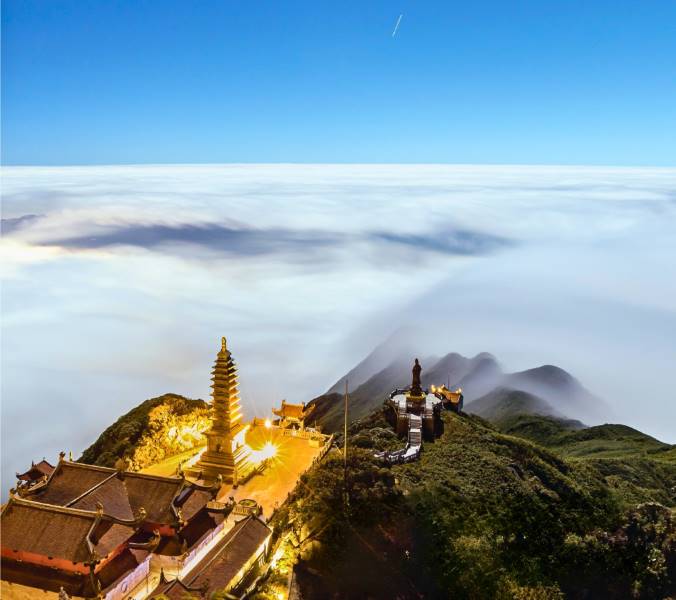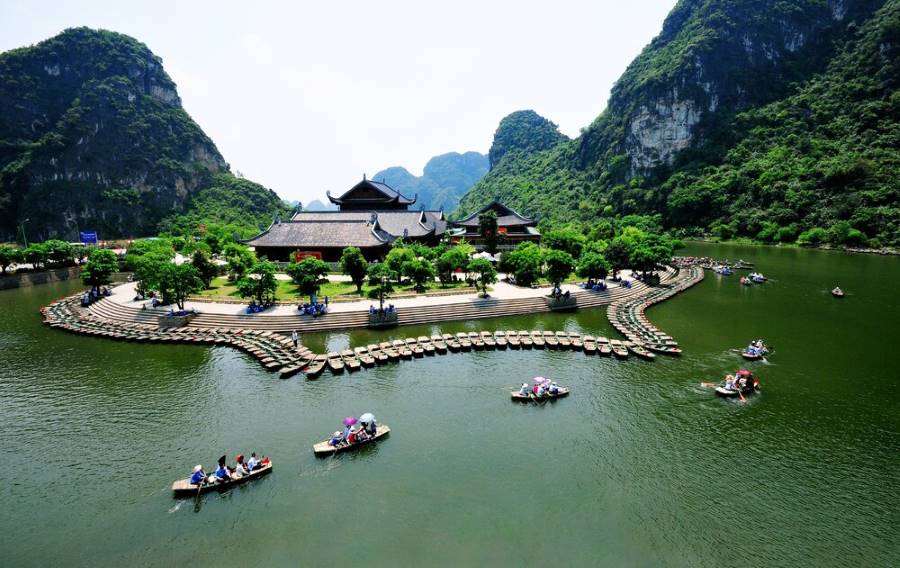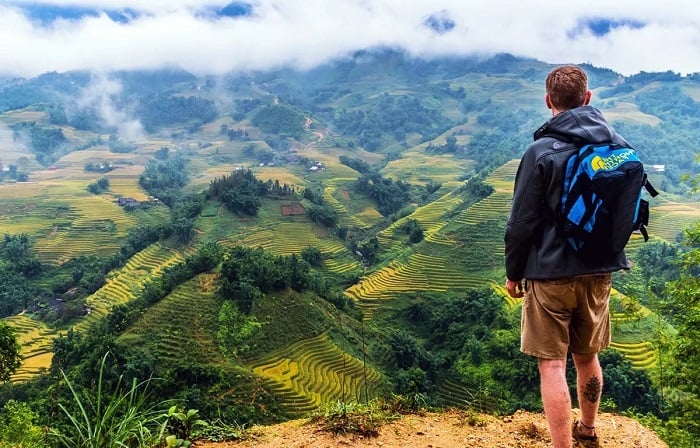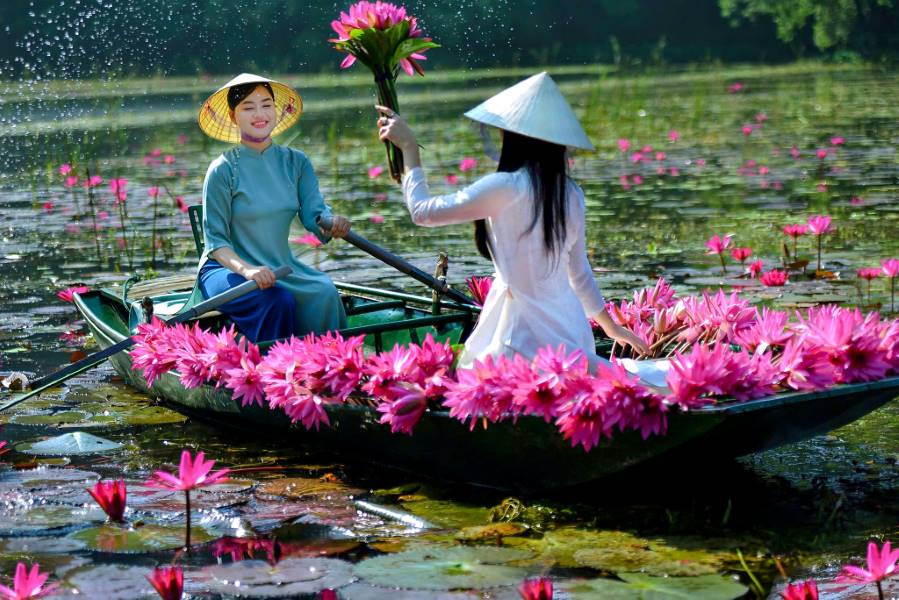
Located in the serene mountains of Quang Ninh Province, Ba Vang Pagoda offers a unique spiritual retreat for those seeking peace, mindfulness, and breathtaking landscapes. As one of Vietnam’s significant Buddhist landmarks, this majestic pagoda captivates travelers with its stunning architecture and deep-rooted cultural history. Whether you’re on a spiritual journey or simply exploring Vietnam’s hidden gems, Ba Vang Pagoda promises a memorable experience, all arranged effortlessly with Vietnam Discovery Tours.
1. History and Architecture of Ba Vang Pagoda
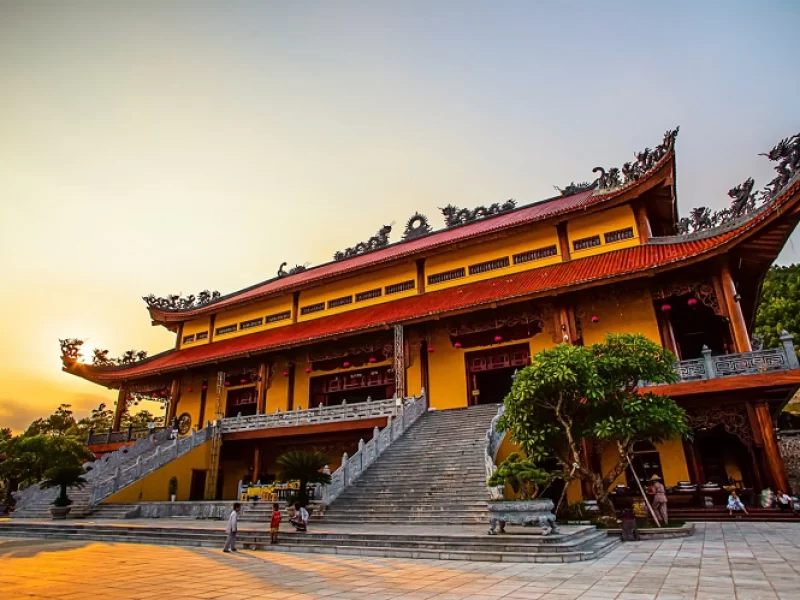
Ba Vang Pagoda, originally established in 1676 under the reign of King Le Du Tong, has undergone several reconstructions to preserve its architectural beauty and spiritual significance. Archaeological studies suggest its origins may date back to the 13th century. Over the centuries, the pagoda has evolved into one of the largest Buddhist complexes in Vietnam. Visitors can witness the harmonious blend of traditional Vietnamese architecture with natural elements, embodying both spiritual and aesthetic beauty.
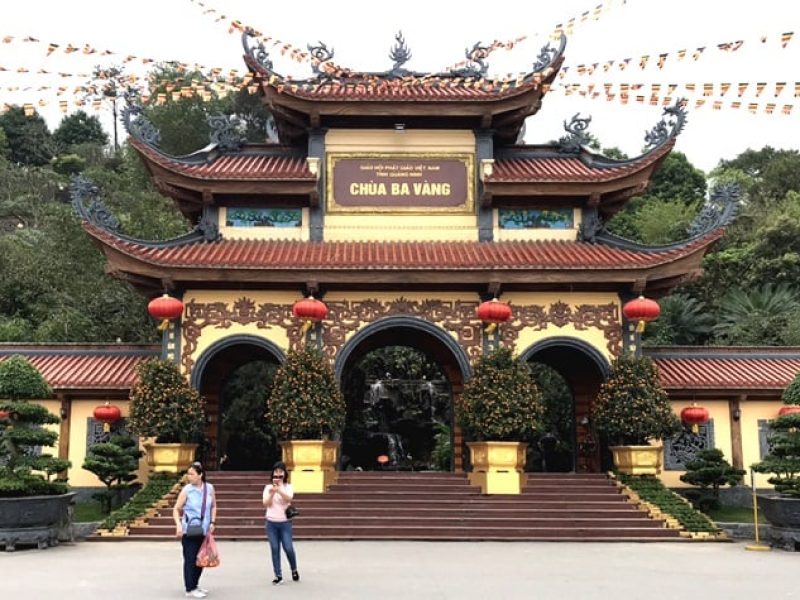
Address: Quang Trung Ward, Uong Bi City, Quang Ninh Province, Vietnam
Opening Hours: 6:00 AM to 8:00 PM (daily)
Entrance Fee: Free (donations are appreciated)
2. Main Attractions at Ba Vang Pagoda
Ba Vang Pagoda is a treasure trove of architectural marvels and spiritual sanctuaries, offering a tranquil retreat from the bustling outside world. Here are the top attractions:
2.1. The Grand Stone Gate
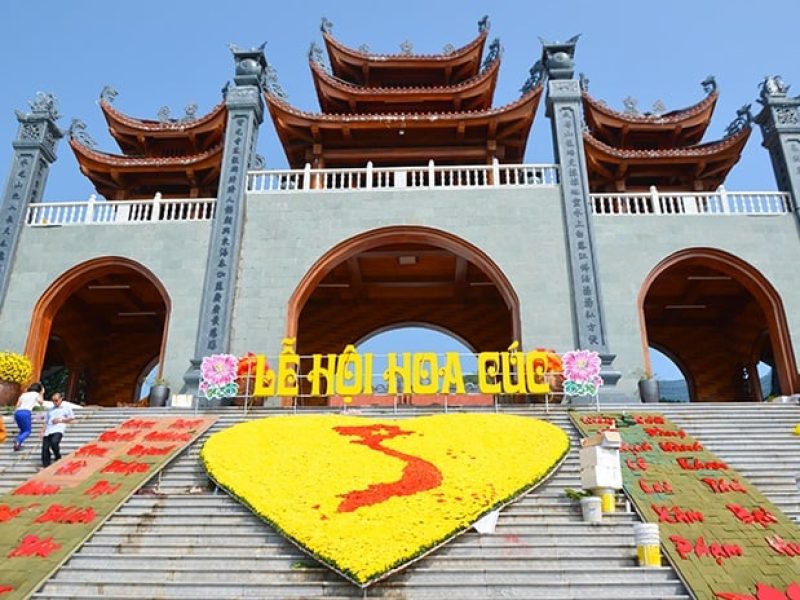
The journey begins at the Grand Stone Gate, an awe-inspiring entrance that signifies the transition from the material world to a place of spiritual refuge. The intricate stone carvings and imposing design reflect traditional Buddhist symbolism, welcoming visitors into the sacred grounds.
2.2. Tam Quan Trung and Tu Bi Waterfall
As you progress through the pagoda, you’ll encounter the iconic Tam Quan Trung, a three-door gate that signifies the pathway to enlightenment. Nearby, the soothing sounds of the Tu Bi Waterfall add to the serene atmosphere. The waterfall represents the interconnectedness of nature and spirituality, a theme that pervades the entire pagoda complex.
2.3. The Buddha Statues
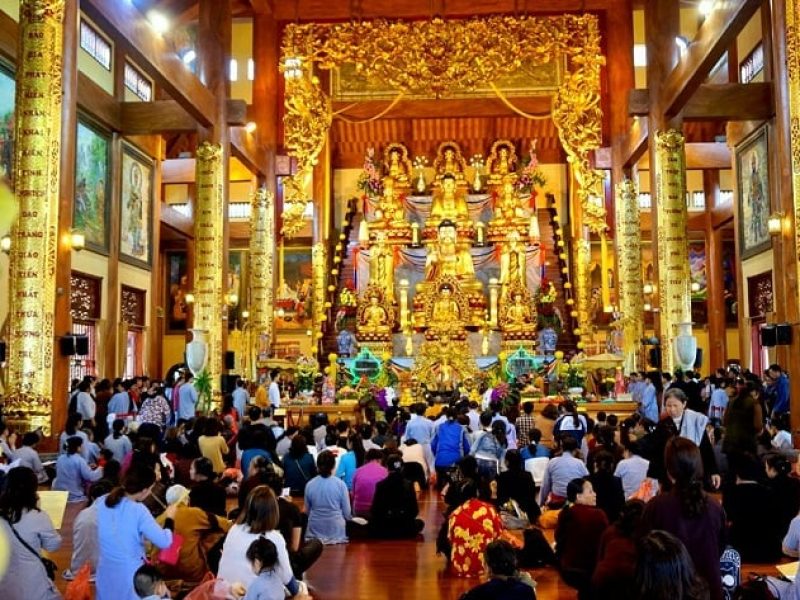
Ba Vang Pagoda is home to numerous Buddha statues, each radiating serenity and wisdom. The main hall houses the largest Buddha statue, a focal point for meditation and prayer. Visitors are encouraged to spend time in quiet reflection, absorbing the peaceful energy that these statues exude.

2.4. One Pillar Pagoda and Ban Nguyet Lake
Inspired by Hanoi’s iconic One Pillar Pagoda, Ba Vang’s version stands gracefully amidst Ban Nguyet Lake. This structure symbolizes purity and enlightenment, much like the lotus flower that rises from the murky waters. It’s a must-see for anyone appreciating the deeper philosophical elements of Buddhist architecture.
2.5. Bo De Garden
The Bo De Garden, featuring a Bodhi tree believed to be a descendant of the original tree under which the Buddha attained enlightenment, offers visitors a quiet sanctuary for meditation and introspection. The rustling leaves and serene surroundings make it the perfect spot to disconnect from daily stresses and reconnect with nature.
2.6. Tam Quan Noi and the Inner Sanctum
The inner sanctum, or Tam Quan Noi, is where the main Buddhist practices take place. The hall is adorned with intricate carvings and religious statues, offering a glimpse into Vietnam’s rich Buddhist traditions. Visitors can respectfully observe monks engaging in prayer and meditation, immersing themselves in the spiritual aura of the place.
2.7. The Godly Well
The Godly Well is a legendary feature of Ba Vang Pagoda. Many visitors believe that the water from this well holds special properties, offering blessings and good fortune. Whether or not you partake in this belief, the well symbolizes the purification process that is central to Buddhist teachings.
3. Religious and Cultural Importance of Ba Vang Pagoda
Ba Vang Pagoda is more than a spiritual site; it is a cultural cornerstone of Mahayana Buddhism in Vietnam. The pagoda serves as a place for both monks and laypeople to practice mindfulness, compassion, and the pursuit of enlightenment. Visitors have the opportunity to witness these practices firsthand, offering a deeper understanding of Buddhist philosophy and its place in Vietnamese culture.
Beyond its religious significance, the pagoda stands as a testament to Vietnamese artistic mastery. The detailed murals, intricate stone carvings, and sacred statues reflect the rich cultural and artistic traditions of the region. For those interested in the intersection of religion, culture, and art, Ba Vang Pagoda is a must-visit.
4. Best Time to Visit Ba Vang Pagoda
The pagoda is open year-round, but the ideal time to visit is during the dry season from October to April. The cooler weather during these months is perfect for hiking and exploring the outdoor areas of the pagoda. September and May offer pleasant shoulder seasons with fewer crowds, making them ideal for a quieter experience.
Regardless of when you visit, always be prepared for the possibility of rain. Bring an umbrella or raincoat, especially during Vietnam’s unpredictable monsoon season.
5. Visitor Guidelines and Etiquette
When visiting Ba Vang Pagoda, it’s essential to follow certain guidelines to show respect for the sacred space:
- Dress modestly: Ensure that your shoulders and knees are covered.
- Remove your shoes before entering temples and halls.
- Maintain silence: The pagoda is a place of prayer, so speak in hushed tones.
- Photography: Be mindful when taking pictures, especially of monks in prayer. Always ask for permission before photographing them.
- Donations: While there is no entrance fee, leaving a small donation is appreciated and helps with the upkeep of the pagoda.
6. Nearby Accommodation and Dining Options
Several accommodation options near Ba Vang Pagoda cater to various budgets, from local homestays to luxury resorts. For a more authentic experience, staying in a homestay allows you to immerse yourself in local culture, while the resorts offer modern amenities for a more comfortable stay.
After your visit, Uong Bi City offers a wide range of dining options, from traditional Vietnamese pho to international cuisine and fresh seafood. You’ll find something to suit every palate.
7. How to Get to Ba Vang Pagoda
Ba Vang Pagoda is located near Uong Bi City in Quang Ninh Province, about 15 minutes from the city center. Here’s how to get there:
- By Car or Taxi: If you’re traveling from major cities like Hanoi or Haiphong, renting a car or taking a taxi is the most convenient option.
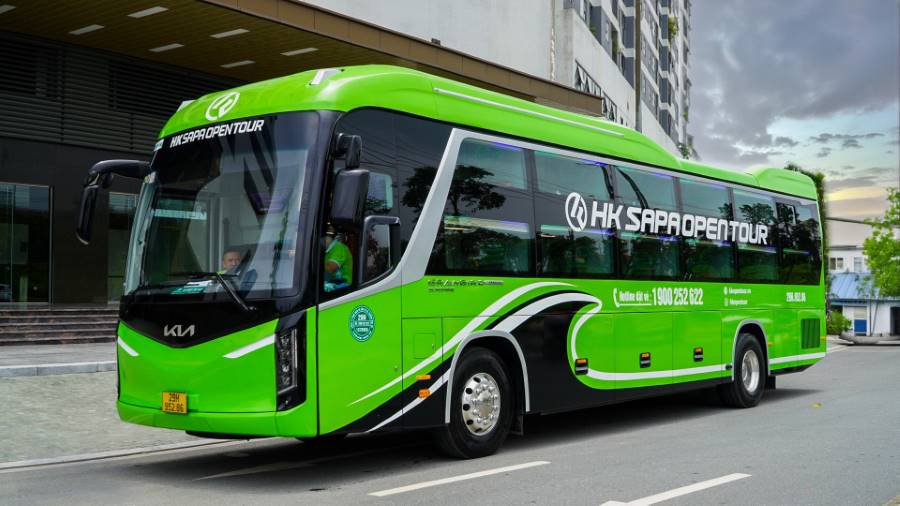
- By Bus: Public buses run regularly between Hanoi, Haiphong, and Uong Bi City. Once in Uong Bi, you can take a taxi or motorbike to reach the pagoda.
8. Conclusion
Ba Vang Pagoda is a spiritual and cultural gem that should not be missed on your journey through Vietnam. With its stunning architecture, rich history, and deep-rooted religious significance, a visit to this pagoda promises an unforgettable experience. By partnering with Vietnam Discovery Tours, you can seamlessly arrange your trip with just a few messages via WhatsApp, ensuring a smooth and enriching travel experience tailored to your interests.