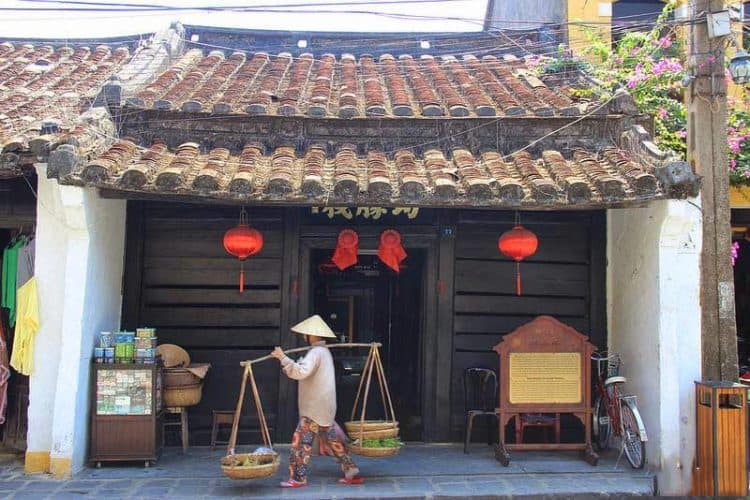
Located in the heart of Hoi An, Hainan Assembly Hall is a must-visit for travelers eager to explore the city’s cultural treasures. As a historical site built by Chinese immigrants, this hall highlights Vietnam’s rich past and architectural beauty. Plan your visit with Vietnam Discovery Tours for a unique cultural experience.
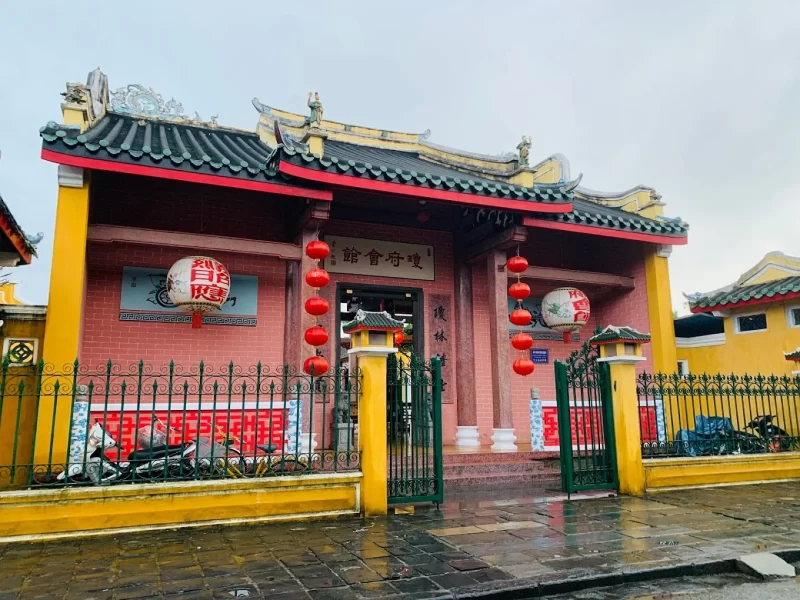
1. Where is Hainan Assembly Hall and How to Get There?
Hainan Assembly Hall, also known as Hai Nam Pagoda, is situated at 10 Tran Phu Street, Minh An Ward, Hoi An. It’s centrally located within Hoi An Ancient Town, making it an easy stop for visitors exploring this UNESCO World Heritage site. If you’re starting from the Japanese Covered Bridge, it’s just a 10-minute walk along Tran Phu Street. Along the way, you’ll pass several other attractions and traditional shops that are worth browsing.
2. The History and Cultural Significance of Hainan Assembly Hall
2.1. The Tragic Tale Behind Its Origin
3. Architecture of Hainan Assembly Hall
3.1. Main Hall Features
The main hall of Hainan Assembly Hall is a stunning example of traditional Chinese architecture, featuring intricate wood carvings, vibrant murals, and lacquered altars. The wooden altar, at the heart of the hall, is dedicated to the spirits of the 108 merchants and is lavishly decorated with symbols representing the three realms: Heaven, Earth, and Sea.
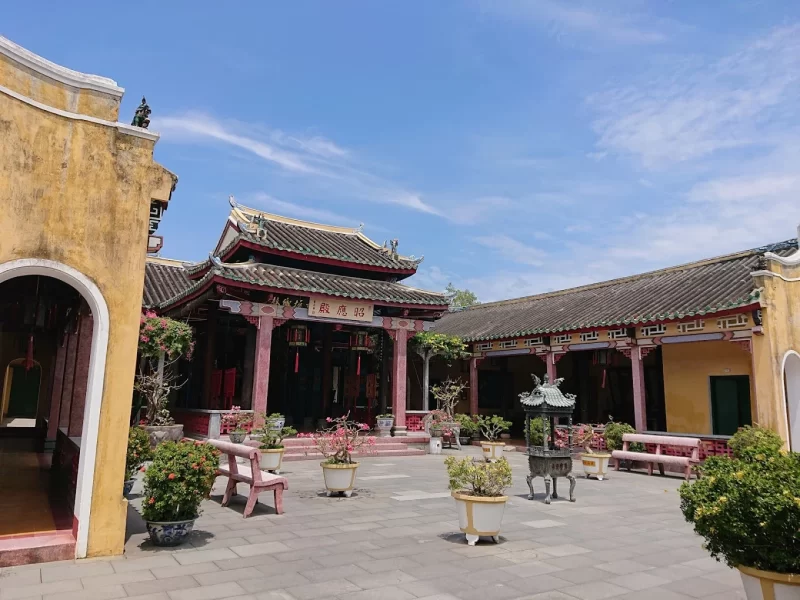
Visitors can also observe various deities worshipped by the Hainanese, including the God of Wealth, symbolizing prosperity and success. The architecture reflects the deep spiritual beliefs of the Chinese immigrants who built the hall.
3.2. Side Houses and Courtyards
The assembly hall consists of two side houses flanking the main altar. One of these side houses is devoted to the Ancestors, reflecting the community’s reverence for their lineage and forebears. The other house is dedicated to local deities, with beautifully carved statues symbolizing protection and fortune. The front and rear courtyards are filled with bonsai trees and ceremonial urns, providing a serene atmosphere for visitors.
4. Top Things to Do at Hainan Assembly Hall
4.1. Appreciate the Architecture and Cultural Heritage
When visiting, take your time to admire the intricate details of the carvings, statues, and murals that adorn the assembly hall. These elements showcase the rich cultural heritage of the Hainanese community, offering visitors a chance to step back in time and connect with the past.
4.2. Nearby Assembly Halls to Explore
After touring Hainan Assembly Hall, there are several other Chinese assembly halls nearby worth exploring. Each hall represents a different group of Chinese settlers in Hoi An, each with its own unique history and architectural style:
- Fujian Assembly Hall: Built in the 1690s, this hall is one of the largest and most ornate in Hoi An.
- Cantonese Assembly Hall: Located near the Japanese Covered Bridge, it is known for its dragon statues and beautiful courtyards.
- Trieu Chau Assembly Hall: Known for its intricate wood carvings and serene atmosphere, it’s a peaceful retreat near the bustling Hoi An Market.

5. Ticket Prices and Best Time to Visit
Visiting Hainan Assembly Hall is part of the broader Hoi An Ancient Town experience. The entry fee for Hoi An Ancient Town is 120,000 VND for adults and 50,000 VND for children between 1m and 1.4m tall. Children under 1m can enter for free. This ticket allows visitors access to 3 of the 21 heritage sites in the town, which include various assembly halls, pagodas, and museums.
The best time to visit Hainan Assembly Hall is during one of the Hainanese community’s annual ceremonies. These take place on the 2nd day of the first lunar month and the 15th day of the sixth lunar month, when the hall hosts offerings, prayers, and celebrations.
6. Tips for a Memorable Visit
To make the most of your visit, consider the following tips:
- Dress modestly and avoid loud, disruptive behavior to respect the sacred atmosphere.
- Bring essentials like sunscreen, a hat, or an umbrella, especially if you plan to explore more of Hoi An on foot.
- Photography is allowed, but avoid using flash in areas where it may disrupt rituals or ceremonies.
- Combine your visit to Hainan Assembly Hall with a stop at the other nearby assembly halls for a deeper understanding of Hoi An’s multicultural history.
7. Conclusion
Hainan Assembly Hall is a significant cultural and historical landmark in Hoi An, providing a deep insight into the Chinese community’s heritage in Vietnam. To plan your visit, you can consult Vietnam Discovery Tours via WhatsApp, ensuring an unforgettable experience filled with cultural richness. Their services offer convenient booking options and comprehensive tour guides, allowing you to explore Hoi An’s treasures with ease and expertise.