Vietnam Military History Museum: Key War Artifacts
The Vietnam Military History Museum, one of Hanoi’s oldest museums, showcases the valor and resilience of Vietnam through centuries of wars and struggles for independence. With Vietnam Discovery Tours, explore the museum’s comprehensive exhibits, covering early history to the Vietnam War, and discover the stories behind Vietnam’s fight for freedom.
1. Overview of the Vietnam Military History Museum
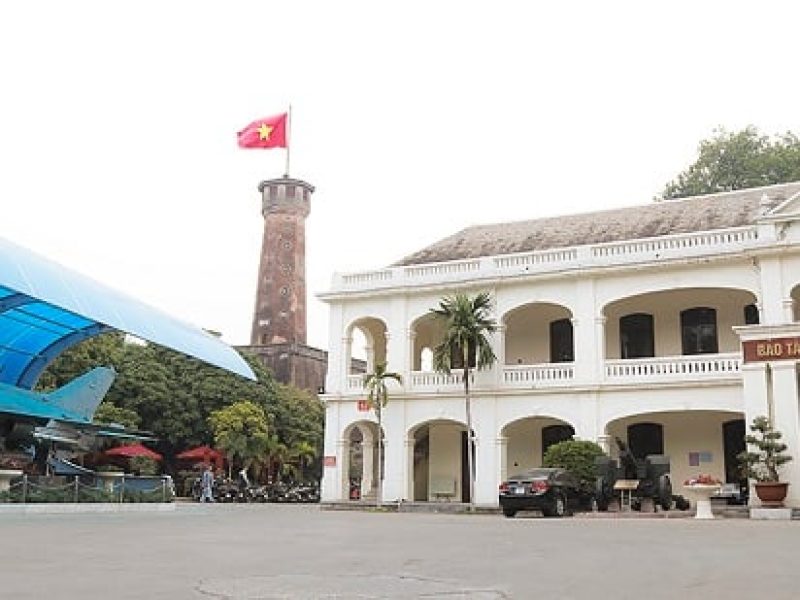
The Vietnam Military History Museum, also known as the Museum of History of Vietnamese Military, is among the oldest and most significant museums in Hanoi. Located at 28A Dien Bien Phu Street, Ba Dinh District, the museum was established in 1959 and is devoted to preserving Vietnam’s military history and honoring the country’s long struggles for independence and sovereignty.
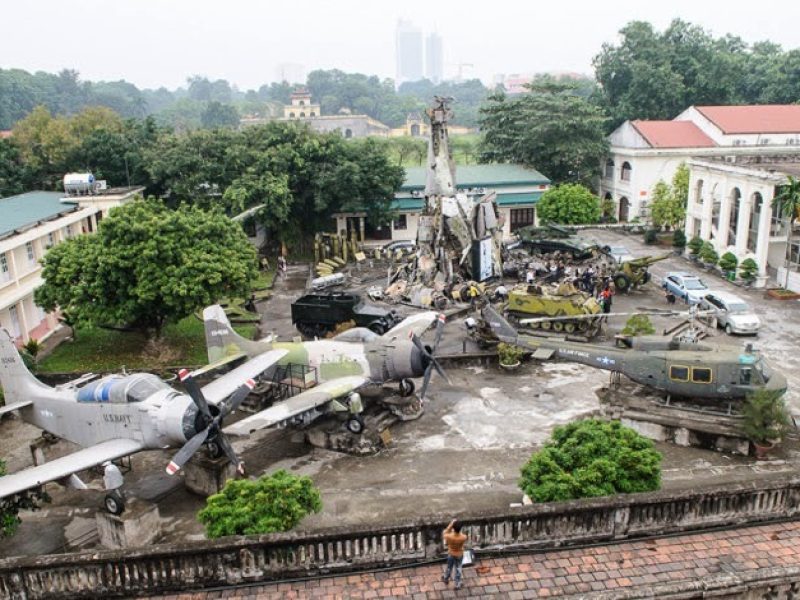
Vietnam’s military past is crucial to understanding the country’s modern identity. The museum offers a unique glimpse into Vietnam’s historical resilience, from the earliest days of nation-building during the Hung Kings period, through centuries of foreign occupation, to its victory in the Vietnam War (1955–1975). This museum is a must-visit for those interested in military history, but it also holds great appeal for anyone seeking to understand the broader story of Vietnam’s formation as a nation.
Covering over 10,000 square meters, the museum features both indoor and outdoor exhibition areas. It highlights a wide range of military-related artifacts, including weapons, uniforms, maps, vehicles, and photos from pivotal historical moments. The museum offers an opportunity to see the ingenuity of the Vietnamese people in defending their homeland.
2. Indoors Exhibits: Tracing Vietnam’s Military Heritage
The indoor section of the Vietnam Military History Museum is rich in displays covering the many phases of Vietnam’s military evolution. The exhibits are organized in chronological order, allowing visitors to follow Vietnam’s military history from its earliest days to modern times.
- Hung Kings Period to Feudal Era: The museum begins with a focus on Vietnam’s military heritage from the Hung Kings era (2879–258 BCE) and early feudal dynasties. You’ll learn about the military tactics used by Vietnam’s early leaders in defending the country against invaders, including the historic fight against the Han Chinese.
- Chinese Occupation and Resistance: This section details the millennium-long struggle (111 BCE–938 CE) against Chinese rule, with exhibits showcasing early weapons and military strategies. Models and dioramas depict famous battles and the heroic resistance leaders, such as the Trung Sisters and Lady Trieu, who fought for Vietnam’s independence.
- French Colonization: Visitors will gain insight into the 19th-century resistance against French colonization. Artifacts from this period, including firearms, uniforms, and written documents, reflect the long and bloody struggle that led to Vietnam’s eventual liberation from French rule in 1954, culminating in the Battle of Dien Bien Phu.
- Vietnam War (1954–1975): A significant portion of the indoor exhibits focuses on the Vietnam War, also known as the American War in Vietnam. This section is packed with artifacts from the conflict, including military uniforms, personal belongings of soldiers, and captured U.S. military equipment. Visitors can view war documents, photographs, and videos that depict the hardships of war and the Vietnamese people’s determination to reunite their country.
The indoor displays also include a section on the diplomatic relations between Vietnam and other nations, showcasing the international support that Vietnam received during its wars for independence.
3. Outdoor Displays: Military Vehicles and Artillery
The outdoor section of the museum is just as compelling, featuring large military vehicles and weaponry that were used during various wars. As you step outside, you’ll find yourself surrounded by tanks, aircraft, and artillery pieces that played a critical role in Vietnam’s military history.
- Aircraft and Helicopters: Several Soviet-made MiG fighter jets and U.S. helicopters, such as the UH-1 “Huey”, are on display, providing a tangible connection to the air battles that took place during the Vietnam War.
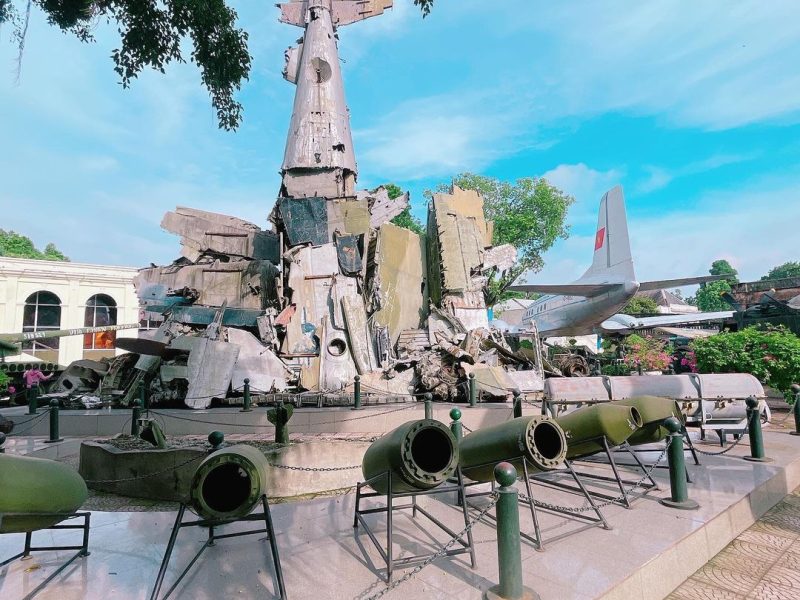
- Tanks and Artillery: Some of the most notable pieces include the T-54 tank that crashed through the gates of the Presidential Palace in Saigon in 1975, signaling the end of the war. Various types of heavy artillery and missile systems are also exhibited.
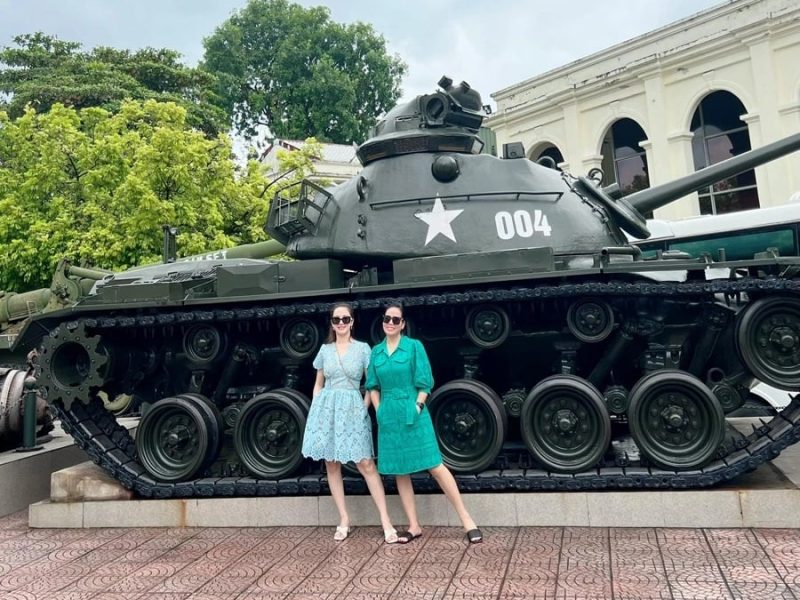
- Captured U.S. Military Equipment: The museum proudly displays several U.S. military vehicles, including downed aircraft and artillery, reflecting Vietnam’s victory in the war. Visitors can see a fragment of the famous B-52 bomber shot down over Hanoi.
The outdoor exhibit area also includes memorials to the many soldiers who lost their lives in Vietnam’s long struggle for independence. This section of the museum is particularly impressive, as it offers visitors the chance to walk among some of the most iconic machinery of the 20th-century wars.
4. Important Historical Periods Highlighted in the Museum
The Vietnam Military History Museum spans a wide range of historical periods, each carefully documented through detailed exhibits.
- Hung Kings Era (2879–258 BCE): The foundation of Vietnam as a nation and its earliest military traditions.
- Chinese Occupation and Resistance (111 BCE–938 CE): Vietnam’s thousand-year struggle to regain independence from Chinese rule.
- French Colonization (1887–1954): The fight against French occupation, focusing on pivotal battles like Dien Bien Phu.
- Vietnam War (1954–1975): A comprehensive exploration of the war that divided the country, with a focus on North Vietnam’s eventual victory and reunification.
- Post-Vietnam War Period: The museum also briefly touches upon Vietnam’s involvement in conflicts after 1975, including the border wars with China and Cambodia.
Each period is depicted with artifacts, models, maps, and photographs that transport visitors back to these critical moments in Vietnamese history. The museum presents a balanced perspective, honoring the bravery of Vietnamese soldiers while also offering a critical look at the impacts of war.
5. Practical Information
- Address: 28A Dien Bien Phu Street, Ba Dinh District, Hanoi, Vietnam
- Entrance Fee: The museum charges an entrance fee of VND 40,000 (approximately $1.70) for adults and VND 20,000 (around $0.85) for children. Additional fees may apply for camera use.
- Opening Hours: The museum is open daily from 9:00 AM to 5:00 PM, except on major public holidays.
- Distance from City Center: The museum is located just 0.8 km (0.5 miles) from Hoan Kiem Lake, making it easily accessible by foot or a short taxi ride. It’s also conveniently located near other attractions, such as the Ho Chi Minh Mausoleum and Ba Dinh Square, making it an ideal stop on a day tour of Hanoi’s historical sites.
Visitor Tips:
- Allow Enough Time: Allocate at least 2-3 hours to fully explore the museum’s indoor and outdoor exhibits.
- Photography: Visitors are allowed to take photos, but an additional fee may apply for cameras in certain areas.
- Combine Your Visit: Given its central location, the museum can be easily combined with nearby landmarks such as the Ho Chi Minh Mausoleum and the One Pillar Pagoda for a full day of exploration.
6. Conclusion
The Vietnam Military History Museum is a must-visit for those interested in the nation’s heroic military past. Through Vietnam Discovery Tours, visitors can book personalized tours to explore the museum and gain deeper insights into the country’s long struggle for independence. Contact us on WhatsApp for tour bookings and exclusive packages tailored to your interests.