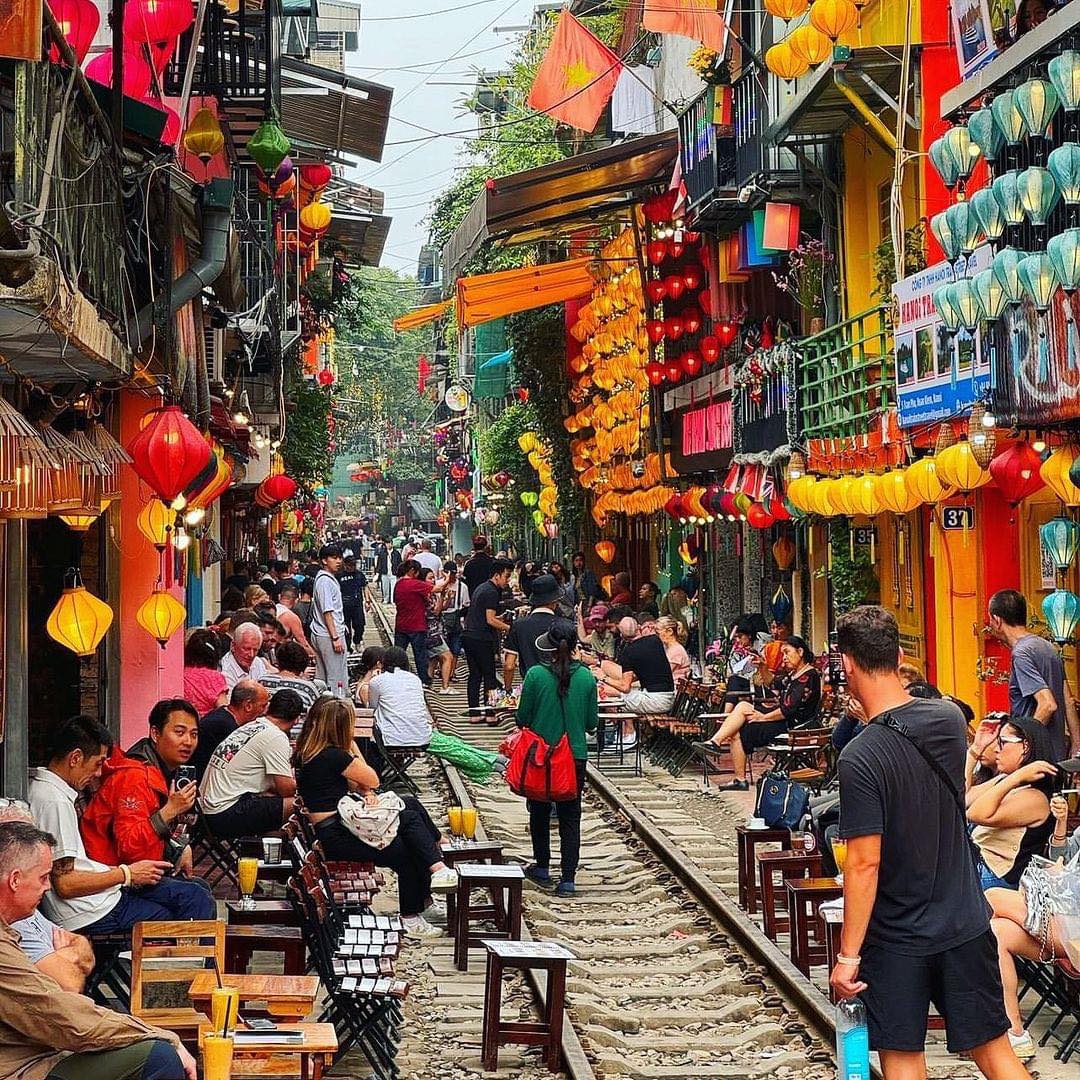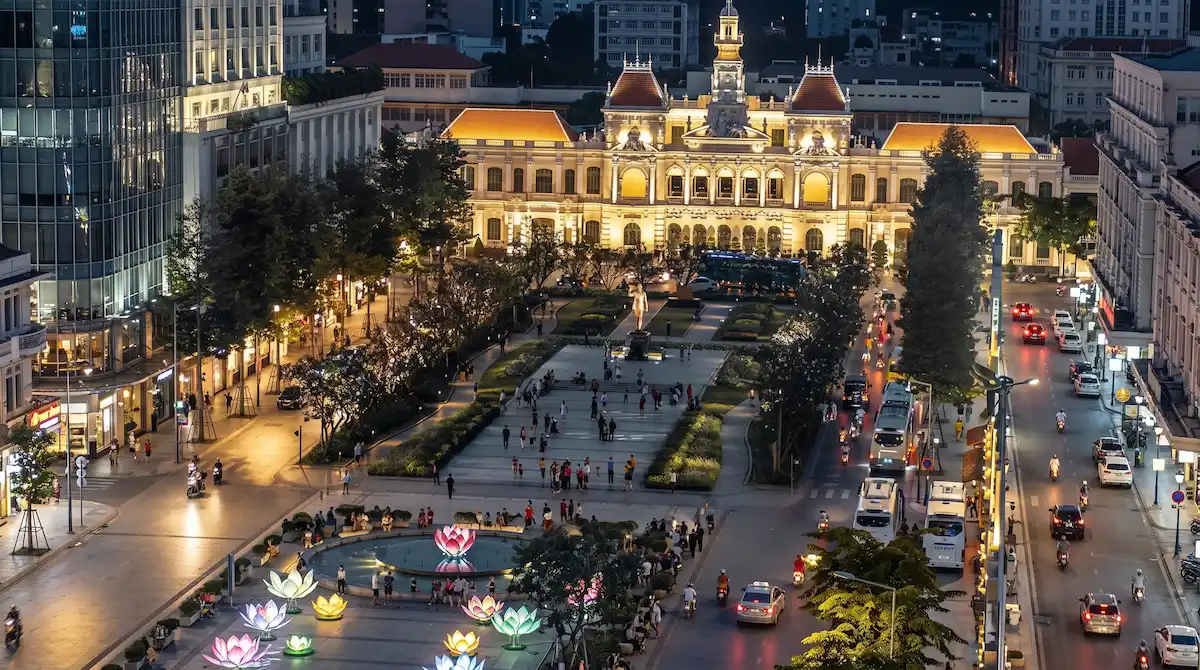
January brings a uniquely poetic, atmospheric winter charm to Vietnam’s capital. Crisp morning breezes, fragrant street food stalls shrouded in steam, and the vibrant colors of Lunar New Year preparations make it one of the most culturally immersive times to visit.
Whether you are wondering what to pack, how cold the city truly gets, or whether January is an ideal time for your trip, here is the complete, insider guide prepared by the travel specialists at Vietnam Discovery Tours.
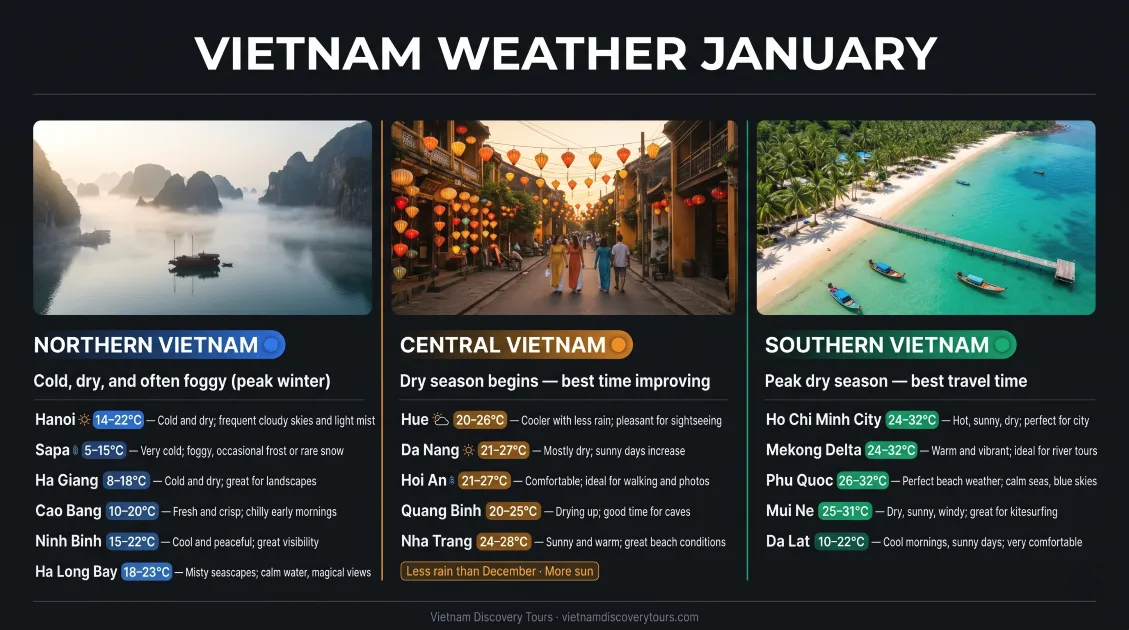
Quick Snapshot: Hanoi Weather in January
| Average Temperature | 14°C – 20°C (57°F – 68°F) |
| Daytime vs. Nighttime | Day: ~19°C – 21°C | Night: ~12°C – 15°C |
| Rainfall & Wet Days | ~18–22 mm (approx. 4–5 days of light misty drizzle) |
| Average Humidity | 70% – 75% |
| Daily Sunshine | 3 to 5 hours per day (mostly overcast) |
| Travel Verdict | Excellent for walking, street food, and cultural photography |
1. How Cold is Hanoi in January? (Temperature & Climate Breakdown)
January is officially the coldest month of the year in Hanoi. While a temperature range of 14°C to 20°C (57°F – 68°F) may sound mild compared to Western winters, Northern Vietnam experiences a unique continental chill driven by the Northeast Monsoon. Combined with elevated humidity, the cold feels sharper and cuts deeper than dry winter climates.
Daytime vs. Nighttime Conditions
- Mornings & Evenings: Temperatures frequently drop to 12°C – 14°C (53°F – 57°F). During cold surges (locally known as gió mùa Đông Bắc), temperatures can temporarily dip below 10°C (50°F). Misty fog often blankets Hoan Kiem Lake and West Lake in the early hours.
- Afternoons: As overcast skies occasionally clear, midday temperatures peak comfortably around 19°C – 22°C (66°F – 72°F). This creates pleasant conditions for long walking tours without the scorching heat of Hanoi’s summer.
Rainfall: Understanding “Mưa Phùn” (Winter Drizzle)
January falls well within the dry season, meaning you will not experience heavy tropical downpours. Total monthly precipitation averages around 20 mm. However, Hanoi is famous during this season for “mưa phùn”—a gentle, persistent misty drizzle. While it rarely cancels outdoor plans, it leaves sidewalks damp and makes open-air motorbike rides notably chilly.
2. Is January a Good Month to Visit Hanoi?
For the majority of travelers, yes—January is a fantastic time to explore Hanoi, especially if you prefer cool, walkable weather and authentic cultural festivities.
Why You Will Love Hanoi in January:
- Comfortable Sightseeing: Exploring the crowded sidewalks, historic French colonial alleys, and bustling Old Quarter is far more enjoyable when you are not drenched in summer sweat.
- The Pre-Tet Festive Atmosphere: January coincides with the energetic run-up to Tet (Vietnamese Lunar New Year). Streets, markets, and roundabouts brim with bright peach blossoms, kumquat trees, and traditional red banners.
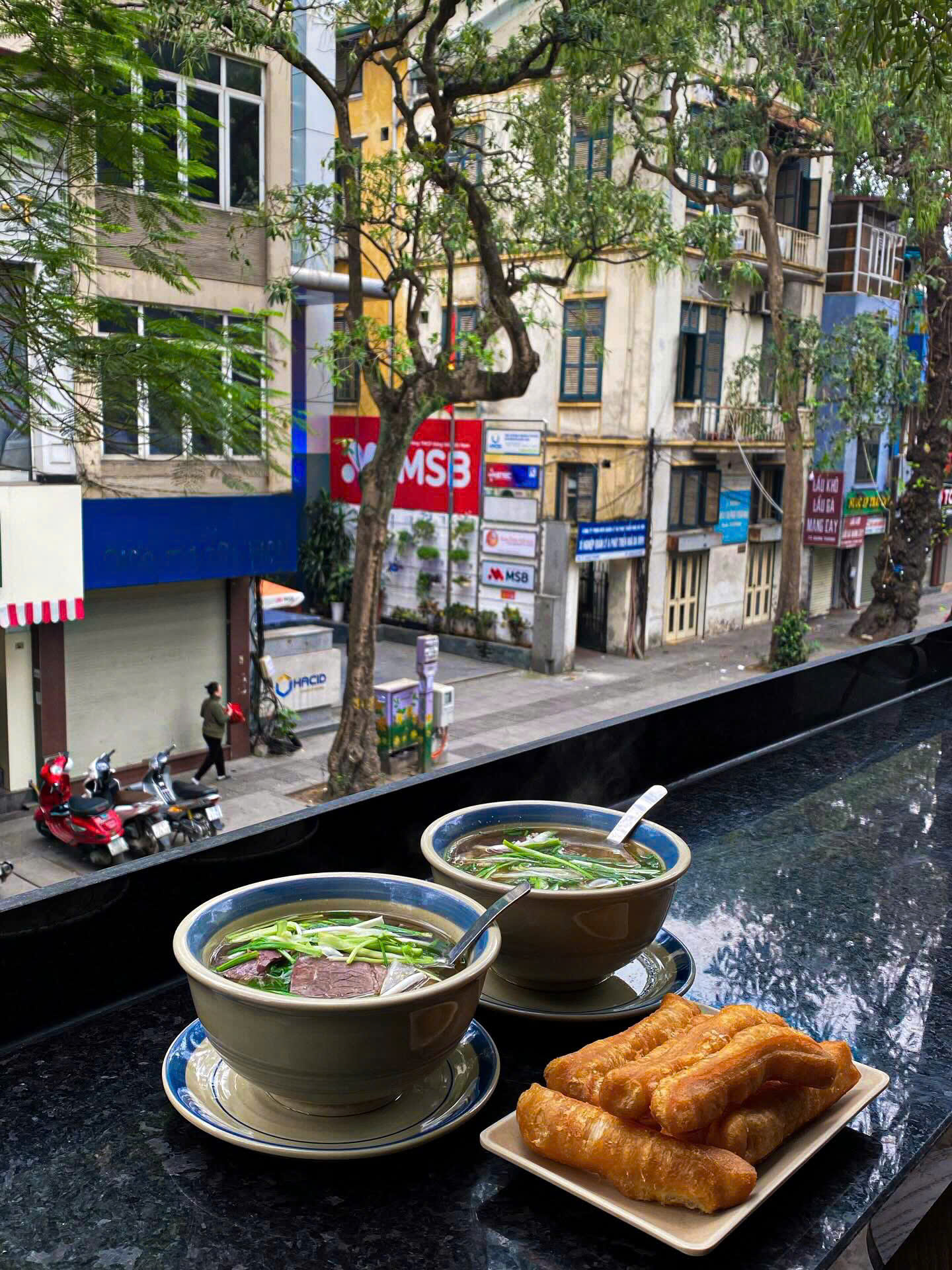
- Peak Culinary Season: Hanoi’s comfort food culture shines brightest in winter. Hot pots, steaming bowls of pho, and charcoal-grilled street snacks taste extraordinary in the crisp air.
Points to Keep in Mind:
- Grey Skies: Hanoi often has overcast, slate-grey skies in winter, which can make panoramic skyline photography appear subdued.
- Room Heating: Many budget and mid-range boutique hotels in the Old Quarter do not feature central heating. Verify beforehand whether your room’s air-conditioning includes a reverse-cycle heat mode.
3. What to Wear in Hanoi in January: Essential Packing Checklist
The golden rule for packing for Northern Vietnam in January is layering. You will likely want to take off a layer during midday walks and bundle back up once the sun sets.
- Base Layers: Breathable cotton t-shirts and long-sleeve thermal shirts.
- Mid Layers: Light wool sweaters, knitwear, or fleece pullovers.
- Outerwear: A medium-weight windbreaker or light down jacket (essential if you plan on riding on the back of a motorbike or enjoying a cyclo tour).
- Footwear: Comfortable closed-toe walking shoes or sneakers with decent grip. Street cobblestones and tiles can become slippery during morning mist.
- Accessories: A compact umbrella or light rain poncho for drizzle, a soft scarf for breezy evenings, and moisturizing lip balm to combat winter dryness.
4. Best Things to Do in Hanoi in January
1. Warm Up with Hot Broth and Egg Coffee
Winter mornings call for Hanoi’s most famous comfort foods. Head to Pho Gia Truyen (49 Bat Dan) for a steaming bowl of fragrant beef pho, or sit on low stools along Phung Hung street for roasted chestnuts and sweet corn. Afterwards, make your way to Café Giảng (39 Nguyen Huu Huan) to sip on an iconic hot egg coffee (cà phê trứng), made with whisked egg yolks, condensed milk, and robust Vietnamese robusta.
2. Stroll Around Hoan Kiem Lake and the French Quarter
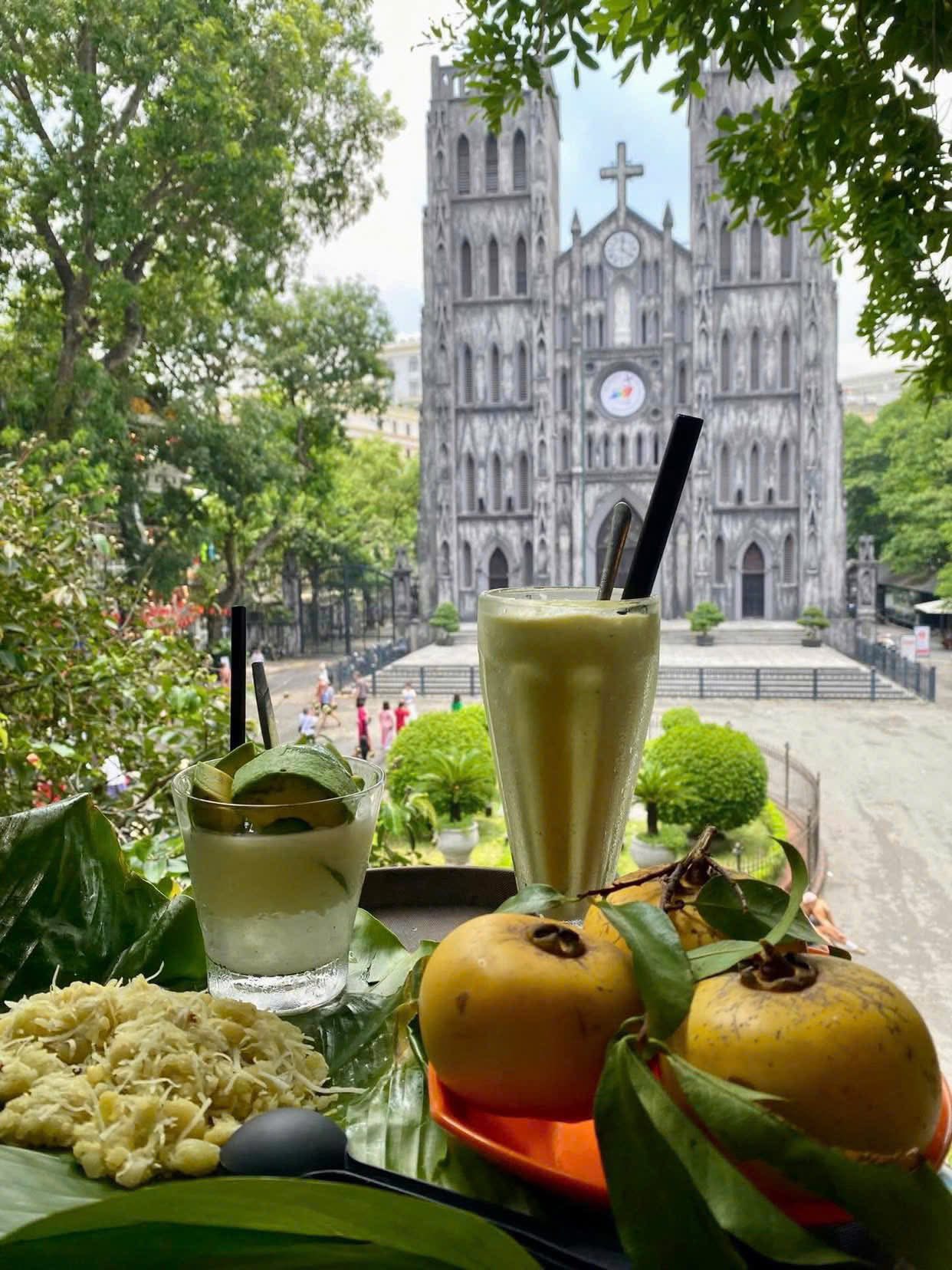
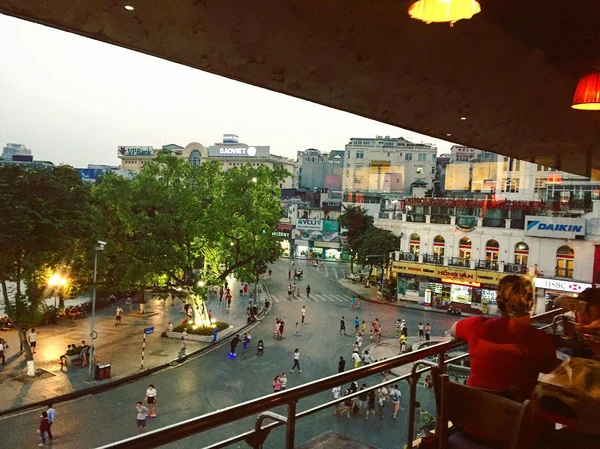
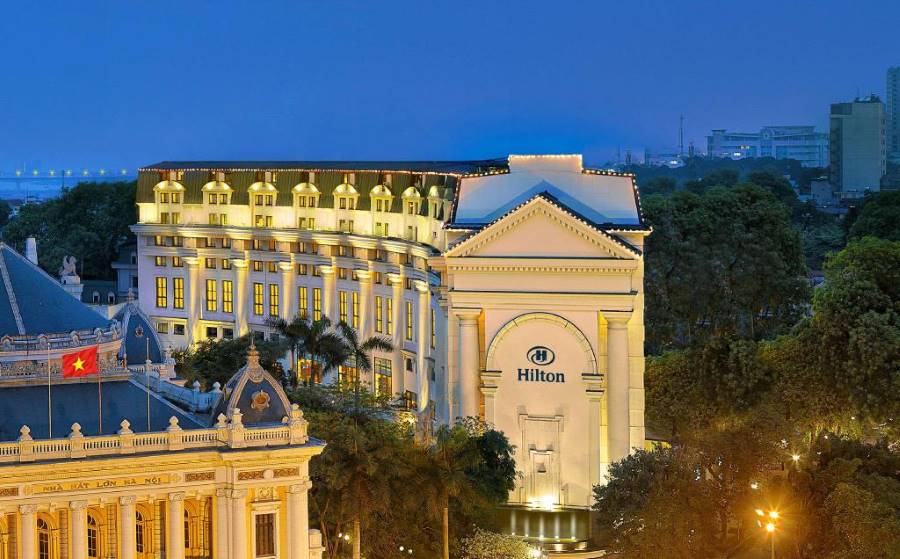
Surrounded by ancient willow trees and colonial architecture, walking around Hoan Kiem Lake in the cool January mist feels like stepping into a vintage postcard. Visit Ngoc Son Temple, cross the red Huc Bridge, and continue south into the French Quarter to admire the Hanoi Opera House and St. Joseph’s Cathedral.
3. Experience the Quang Ba Night Flower Market
Located on Au Co Street, Quang Ba Flower Market reaches its yearly peak in January. From midnight until dawn, thousands of flower farmers from across Northern Vietnam bring truckloads of pink peach blossoms, yellow chrysanthemums, and imported blossoms in preparation for the Lunar New Year.
4. Connect Your Trip with Northern Highlights
Because Hanoi serves as Northern Vietnam’s primary travel hub, January is a prime month to combine your city stay with regional excursions:
- Halong Bay: Enjoy dramatic, mystical limestone karsts wrapped in morning fog on an overnight Halong Bay cruise.
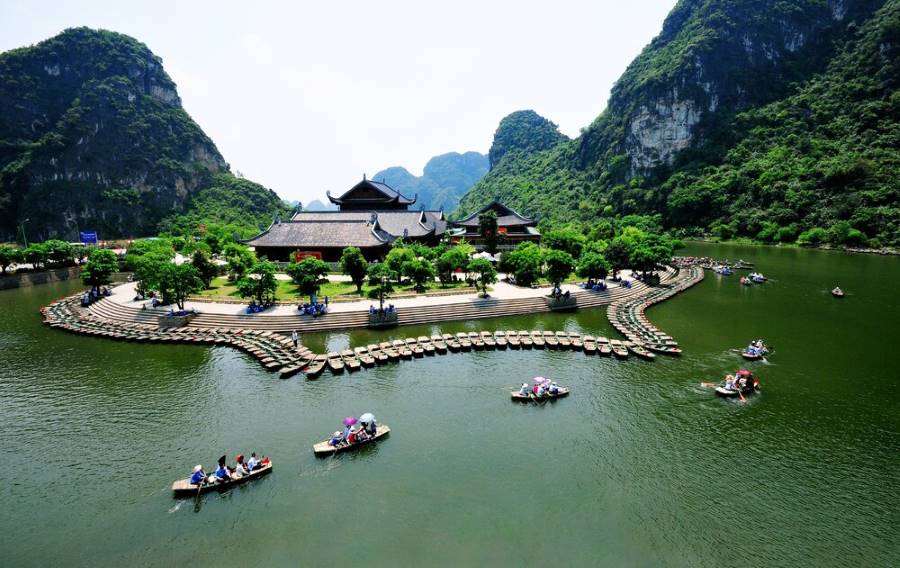
- Ninh Binh: Take a relaxing day excursion to cruise the peaceful karst waterways of Trang An and Tam Coc without the intense summer heat.
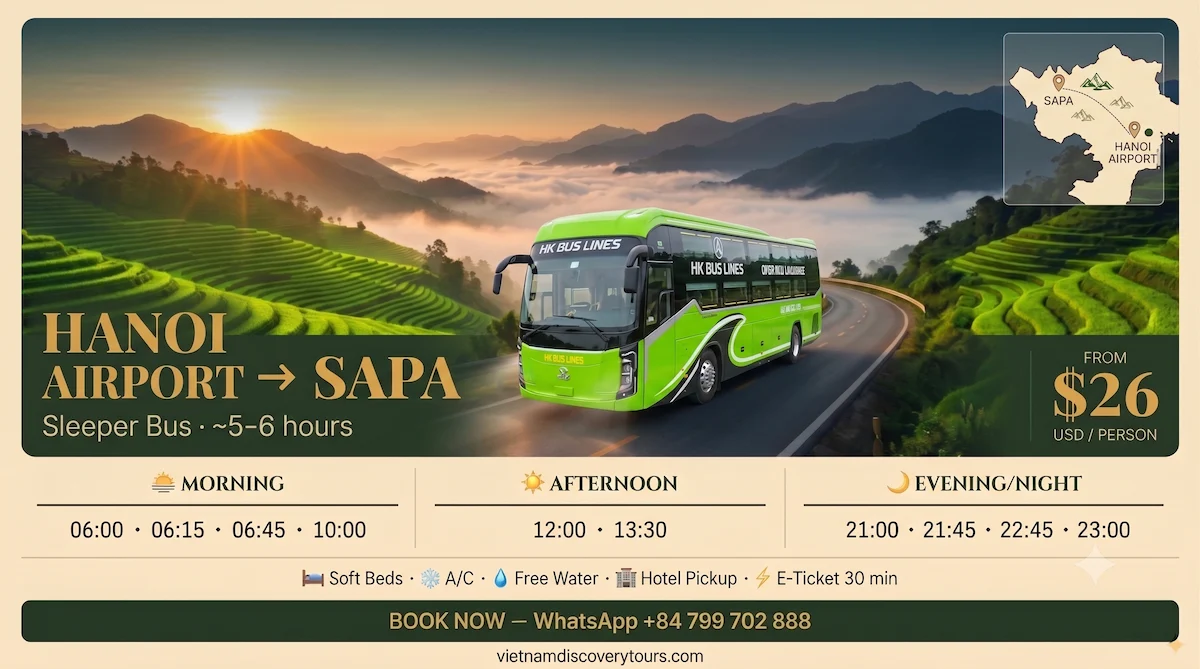
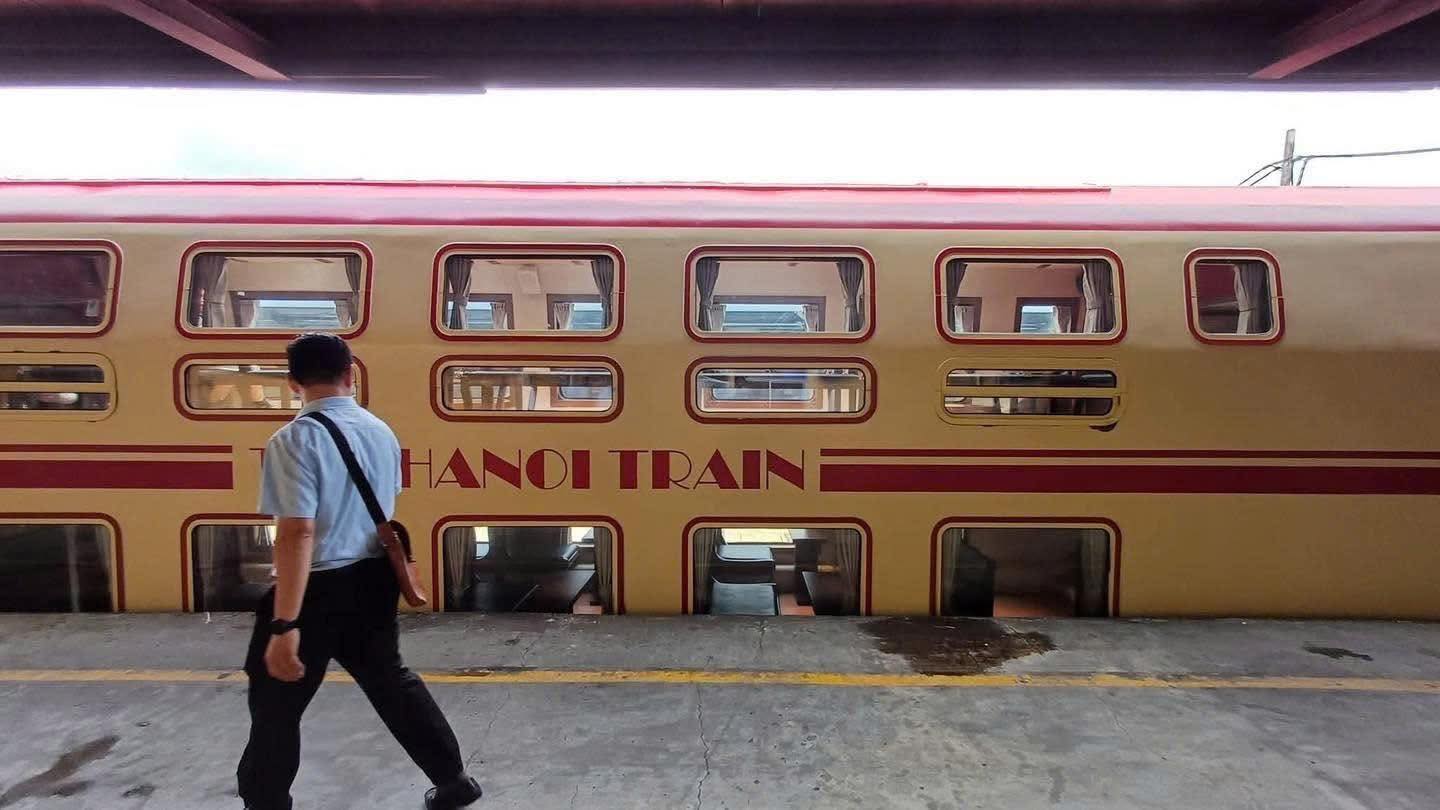
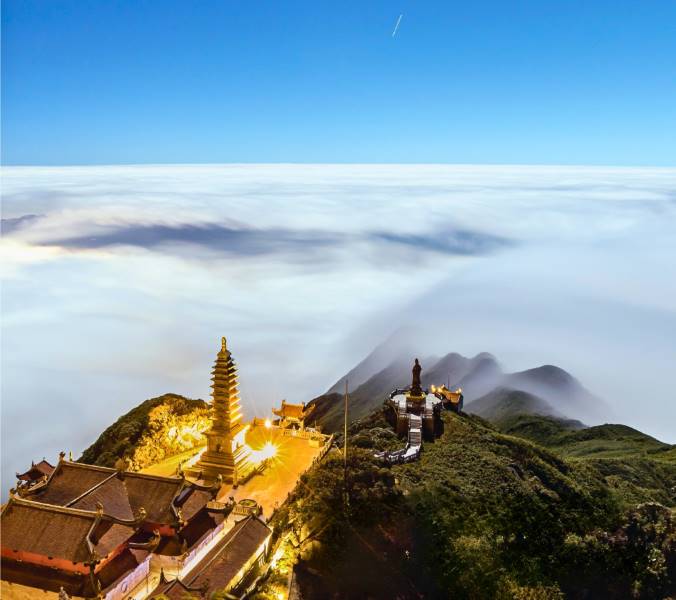
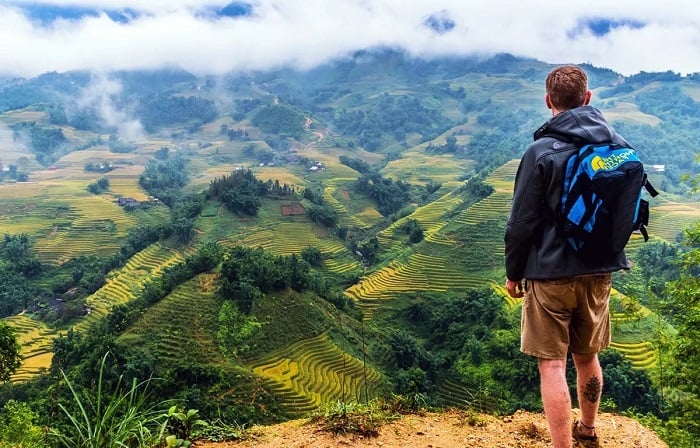
- Sapa & Ha Giang: Head north by sleeper bus or mountain train to experience breathtaking mountain landscapes and misty valleys.
5. Frequently Asked Questions About Hanoi in January
Does it ever snow in Hanoi during January?
No, it does not snow in Hanoi. Snowfall in Vietnam is rare and occurs only at high elevations in northern mountain regions such as Fansipan Peak in Sapa or Mau Son Peak in Lang Son.
How does the Tet Holiday (Lunar New Year) affect travel in January?
Tet usually falls between late January and mid-February. In the weeks prior to Tet, Hanoi is vibrant, decorated, and exciting. However, during the actual 3 to 4 days of Tet, many private family shops, restaurants, and museums temporarily close, and intercity transportation gets booked out early. Always verify the annual lunar calendar dates before booking your itinerary.
Is Halong Bay too cold for cruising in January?
Not at all. While the water may be too brisk for extended swimming, cruising conditions are very atmospheric with calm seas, low humidity, and breathtaking misty scenery that makes for dramatic photography.