
Da Dia Reef in Phu Yen: A Stunning Natural Wonder in Vietnam
1. Introduction
Looking for an unforgettable destination in Vietnam? Da Dia Reef, nestled in Phu Yen Province, is a must-see natural marvel with its unique basalt rock formations. Vietnam Discovery Travel offers seamless tours to this extraordinary site, where nature’s artistry will leave you awestruck. Just a short drive from Tuy Hoa city, Da Dia Reef is a perfect spot for adventure seekers, nature lovers, and photography enthusiasts alike.
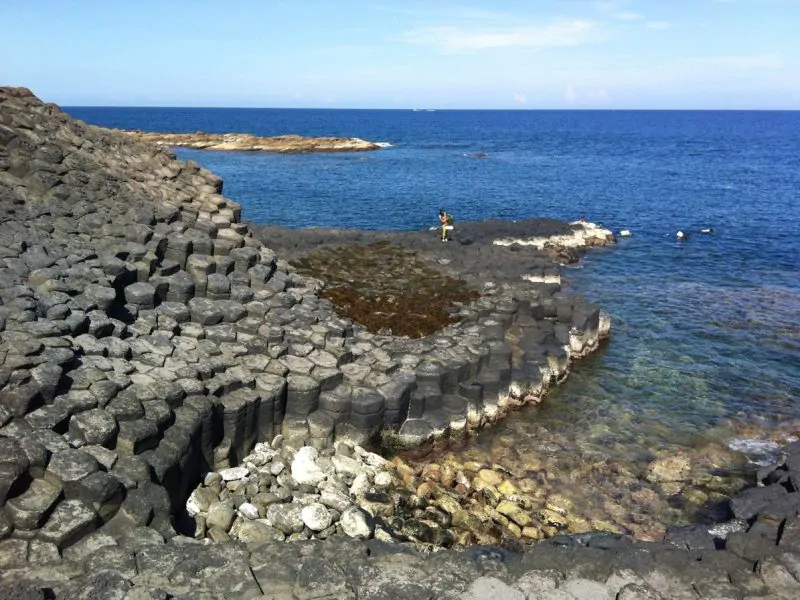
2. Da Dia Reef: An Overview
Located in An Ninh Dong commune, Tuy An district of Phu Yen, Da Dia Reef is a rare geological masterpiece that captivates visitors with its black hexagonal basalt rock formations. These rocks, created by volcanic eruptions millions of years ago, stand majestically against the azure sea. Da Dia, which translates to “stone plates,” reflects its most striking feature: the basalt formations that appear as stacks of plates, piled harmoniously along the coast.
Despite its relatively remote location, just 36 kilometers (22.4 miles) from Tuy Hoa city, Da Dia Reef has been increasingly recognized as one of Vietnam’s hidden gems. It was declared a National Heritage Site in 1998, adding to its allure as an iconic travel destination in the country.
Address: Gành Đá Dĩa, An Ninh Đông, Tuy An District, Phu Yen Province
Distance from City Center: 36.0 km (22.4 mi)
Entrance Fee: 25,000 VND (~1 USD)
Opening Hours: 7:00 AM – 6:00 PM (Daytime visits are recommended for safety and the best views)
3. The Geological Marvel of Da Dia Reef
Da Dia Reef’s charm lies in its surreal landscape formed by ancient volcanic eruptions. As the molten lava cooled rapidly when it met the ocean, it solidified into striking geometric shapes, mostly hexagons, that form the reef’s distinct appearance today. These formations stretch out over 100 meters along the coast, creating an unearthly sight that few other places on Earth can match.
The reef’s black rocks contrast beautifully with the vibrant blue-green of the surrounding waters. The columns and plates appear as though they were meticulously arranged by hand, though they are entirely the result of natural processes. The formation of Da Dia Reef is not only a geological wonder but also an extraordinary spot for photography, especially at sunrise or sunset when the light enhances the contrast between the sea and the rocks.
Visitors are encouraged to walk along the reef, climb the basalt pillars, and experience the tranquility of this untouched landscape. For those who love aerial photography, a drone will capture the vastness and beauty of the basalt formations in ways that traditional cameras may not.
4. How to Get to Da Dia Reef
4.1 From Tuy Hoa City
Reaching Da Dia Reef is a pleasant journey. The site is located 36 kilometers (about 22 miles) from Tuy Hoa City, the capital of Phu Yen Province. The drive to Da Dia Reef takes approximately 45 minutes by car or motorbike. Renting a motorbike is a popular choice for travelers who want to explore the coastal roads at their own pace.
Travel Route:
- Starting Point: Tuy Hoa City Center
- Travel Distance: 36 km (22.4 mi)
- Travel Time: Approximately 45 minutes by motorbike
- Recommended Mode of Transport: Motorbike rental or taxi
4.2 Public Transport
For those who prefer public transportation, there are local buses and taxis available from Tuy Hoa City. Local buses are the cheapest option, but taxis are more convenient for those who want a direct route to Da Dia Reef.
Bus Route: Buses to Tuy An District are available from Tuy Hoa City, but ensure to get off at An Ninh Dong commune and take a short walk or taxi ride to the reef.
5. What to Do at Da Dia Reef
5.1 Exploring the Basalt Rock Formations
Da Dia Reef offers visitors a stunning and rare opportunity to walk along ancient geological formations. The basalt rocks appear in both horizontal and vertical stacks, and tourists can freely explore the different patterns formed by millions of years of natural forces. Good shoes are essential for climbing the rocks safely.
5.2 Photography Tips
Da Dia Reef is a photographer’s paradise. The contrast between the black basalt and the turquoise sea creates a striking composition that is hard to find elsewhere. For the best shots:
- Early Morning: Capture the first light of the day as it hits the basalt columns, highlighting their unique structure.
- Golden Hour: Visit during the late afternoon to photograph the sunset, which casts a magical glow over the rocks and the sea.
- Drone Photography: If you have a drone, aerial shots of Da Dia Reef provide a breathtaking view of the honeycomb-shaped rock formations and the vastness of the sea.
5.3 Enjoying Local Seafood
Near Da Dia Reef, visitors can enjoy fresh, locally caught seafood from small vendors or nearby restaurants. Phu Yen is known for its seafood dishes, and you’ll find a variety of options, including grilled squid, snails, and fish prepared in traditional Vietnamese styles.
6. Nearby Attractions
6.1 Bai Xep Beach
Just a short drive away from Da Dia Reef, Bai Xep Beach is another gem of Phu Yen. This serene beach is far less crowded than other tourist hotspots, making it a perfect spot for swimming and relaxing after exploring the reef. Its soft golden sands and clear waters provide a peaceful atmosphere for visitors.
Address: Bai Xep Beach, An Chan Commune, Tuy An District, Phu Yen
Entrance Fee: Free
6.2 Mang Lang Church
One of the oldest churches in Vietnam, Mang Lang Church is located just 10 kilometers (6.2 miles) from Da Dia Reef. Built in 1892, this Gothic-style church is surrounded by lush greenery and offers a tranquil atmosphere for visitors. It’s a great stop for those interested in Vietnam’s colonial history.
Address: Mang Lang Church, An Thach Commune, Tuy An District, Phu Yen
Entrance Fee: Free
7. Travel Tips for Visitors
7.1 Best Time to Visit
Da Dia Reef is a year-round destination, but the best time to visit is during the dry season, from May to September. During these months, the weather is clear, and the sea is calm, making it perfect for exploring the coastline. However, this is also peak tourist season, so early mornings are recommended to avoid crowds.
7.2 What to Bring
- Comfortable Shoes: The basalt rocks can be slippery, so sturdy footwear is essential.
- Sun Protection: Hats, sunscreen, and sunglasses are recommended, as there is little shade at Da Dia Reef.
- Camera Gear: A good quality camera or drone is ideal for capturing the unique landscape.
- Snacks and Water: There are limited facilities near the reef, so it’s advisable to bring your own refreshments.
8. Conclusion
Da Dia Reef in Phu Yen is an extraordinary destination that offers both natural beauty and geological significance. This basalt wonder, shaped by volcanic forces, provides a serene escape from the usual tourist trails. Vietnam Discovery Tours can help make your visit to Da Dia Reef seamless and memorable. Whether you’re traveling solo or in a group, Vietnam Discovery Tours offers customized packages, ensuring you get the best experience possible.
For personalized itineraries, feel free to contact Vietnam Discovery Tours via WhatsApp to plan your journey effortlessly. Let us help you uncover the hidden beauty of Da Dia Reef and other breathtaking sites in Vietnam.