Explore Co Loa Citadel in Hanoi, a historic site linked to Vietnam’s ancient Âu Lạc Kingdom. Discover its unique architecture, from outer walls to the royal inner citadel, and immerse yourself in legends like the Golden Turtle. Ideal for history enthusiasts, Co Loa is a must-visit on your Vietnam Discovery Travel itinerary.
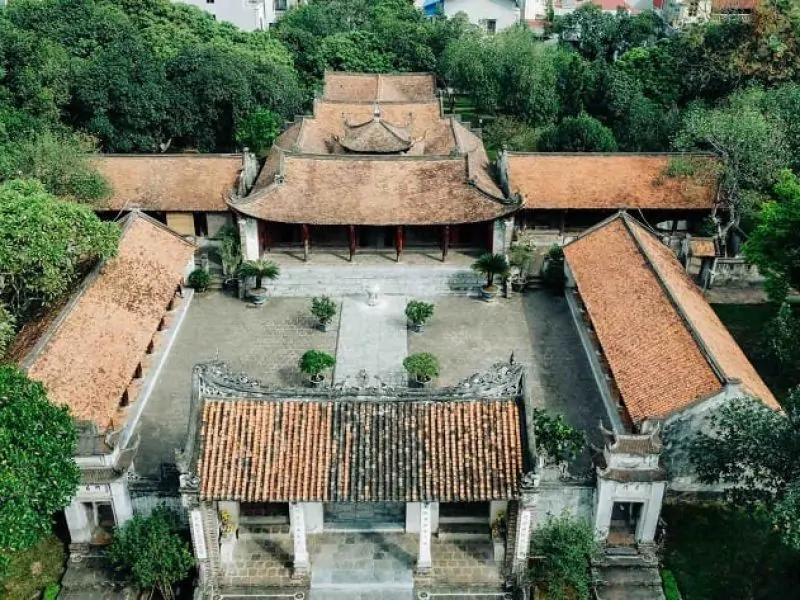
1. A Glimpse into Co Loa Citadel in Vietnam
Located about 16 kilometers north of Hanoi’s bustling center, Co Loa Citadel is one of the most significant and ancient archaeological sites in Vietnam. Built during the 3rd century BC by King An Dương Vương, it served as the capital of the Âu Lạc Kingdom and is deeply intertwined with Vietnamese legend, history, and culture. The citadel’s strategic location, surrounded by rivers and protective walls, made it an important military stronghold and a symbol of Vietnamese resistance against foreign invaders.

Address: Co Loa Commune, Dong Anh District, Hanoi, Vietnam
Opening Hours: 7:00 AM – 5:00 PM daily
Ticket Price: 10,000 VND for adults, 5,000 VND for children
2. The Milestones in the History of Co Loa Citadel
The history of Co Loa Citadel is marked by various historical milestones:
The Legend of the Golden Turtle: According to legend, when King An Dương Vương built the citadel, he struggled to complete it until a divine Golden Turtle appeared, offering a magical claw to help construct the walls. This mystical tale is central to the citadel’s history and is a symbol of Vietnamese resilience.
The Establishment of Âu Lạc Kingdom: Around 257 BC, King An Dương Vương established the Âu Lạc Kingdom, with Co Loa as its capital. The citadel was designed with three concentric walls and was considered an impregnable fortress at the time.
The Fall of Co Loa: Despite its formidable defenses, the citadel fell to the forces of Zhao Tuo (Triệu Đà), a Chinese warlord, due to the betrayal of the king’s daughter, Mỵ Châu, who unknowingly revealed the citadel’s secrets to the enemy.
Historical Excavations: Over the centuries, Co Loa Citadel has been the site of numerous archaeological excavations, revealing artifacts that offer insights into the ancient culture, craftsmanship, and daily life of its inhabitants.
3. How is Co Loa Citadel Structured?
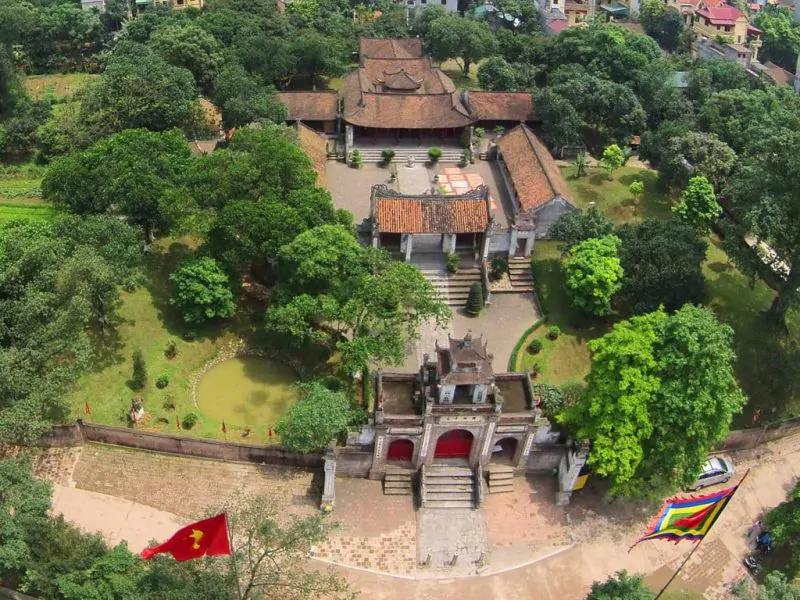
Co Loa Citadel is renowned for its unique structure, consisting of three concentric walls, each serving different defensive purposes. The citadel’s design reflects advanced military architecture and engineering skills of the time.
3.1. The Outer Walls
The outer walls, known as “Ngoai Thanh,” are the largest and most expansive. These walls originally spanned about 8 kilometers and were designed to protect the entire citadel from invasions. The outer walls were strategically constructed with earthen embankments, incorporating natural rivers as moats, making it extremely difficult for invaders to penetrate.
3.2. The Middle Walls
The middle walls, or “Trung Thanh,” formed the second layer of defense. These walls were more heavily fortified and enclosed important military and administrative buildings. The middle walls were designed to provide an additional barrier against enemy forces that might breach the outer walls.
3.3. The Inner Citadel
The inner citadel, known as “Noi Thanh,” was the heart of Co Loa and housed the royal palace, military command centers, and key administrative offices. The inner citadel was surrounded by a smaller but more robust set of walls, ensuring maximum protection for the king and his court.
4. The Values of Co Loa Citadel in Hanoi
Co Loa Citadel holds immense historical, cultural, and architectural value, making it a significant site for both scholars and tourists.

Historical Significance: Co Loa is a testament to the ingenuity and resilience of the Vietnamese people in ancient times. The citadel played a crucial role in the country’s defense against invaders and is a symbol of national pride.
Cultural Heritage: The citadel is deeply rooted in Vietnamese folklore, particularly the legend of the Golden Turtle and Mỵ Châu-Trọng Thủy. These stories have been passed down through generations and are integral to the cultural identity of Vietnam.
Architectural Marvel: The construction of Co Loa Citadel showcases advanced engineering techniques, particularly in the use of natural defenses and the strategic layout of the walls. The citadel’s design reflects a deep understanding of military architecture that was ahead of its time.
Archaeological Importance: Co Loa has been the site of numerous archaeological discoveries, including ancient tools, pottery, and weapons. These findings provide valuable insights into the life and culture of the people who lived in and around the citadel.
5. What to Do on Your Visit to Co Loa Citadel?
A visit to Co Loa Citadel offers a range of activities that allow tourists to explore the rich history and culture of the site.
5.1. Visit Historical Temples
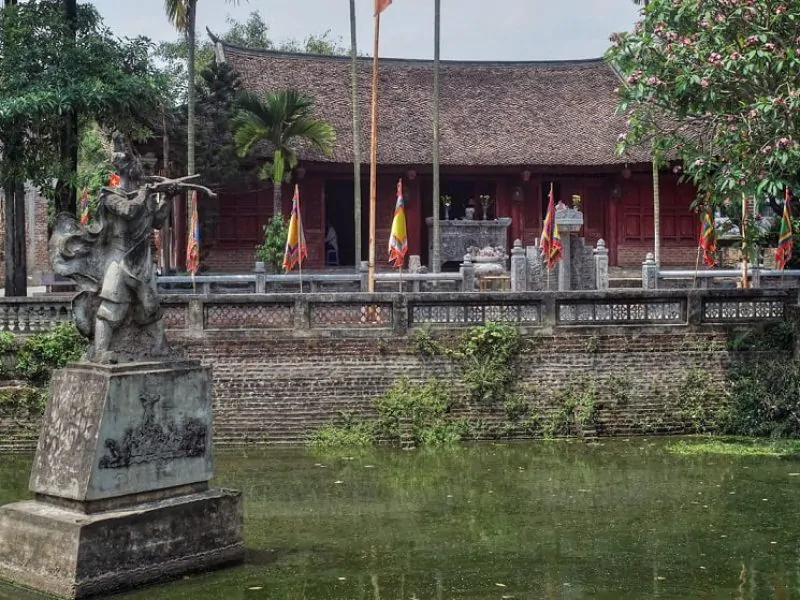
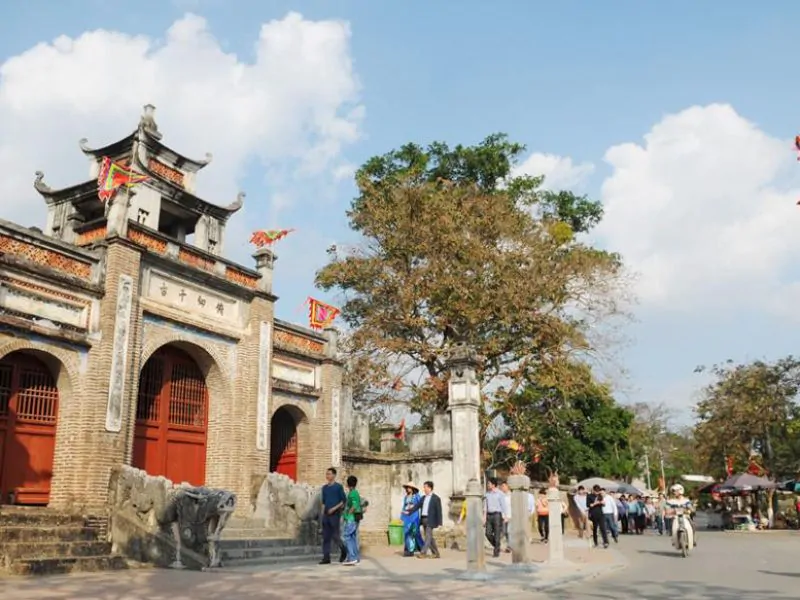
Within the citadel, several temples are dedicated to significant historical figures, including King An Dương Vương. These temples are not only places of worship but also serve as museums, showcasing artifacts and relics from the Âu Lạc period. The An Dương Vương Temple is particularly noteworthy, with its impressive architecture and serene surroundings.
5.2. Explore Cultural Sites
Co Loa Citadel is home to various cultural sites that reflect the traditions and customs of the local people. Visitors can explore ancient wells, communal houses, and traditional villages within the citadel’s vicinity. These sites offer a glimpse into the everyday life of the people who once inhabited the area.
5.3. Tour Ancient Pagodas
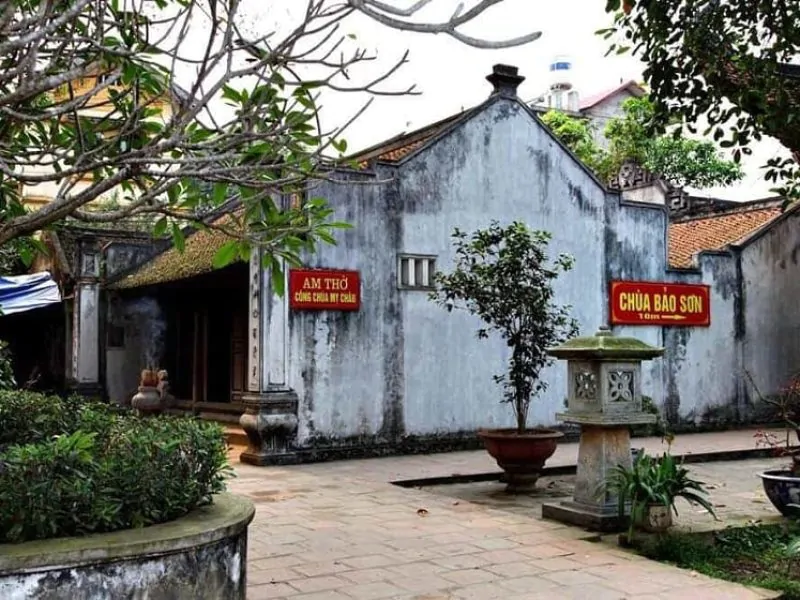
The citadel is also home to several ancient pagodas, such as the Bao Son Pagoda, which dates back centuries. These pagodas are significant religious sites and are beautifully decorated with intricate carvings and statues. A visit to these pagodas provides insight into the spiritual life of the region.
5.4. Learn More about Mỵ Châu Shrine
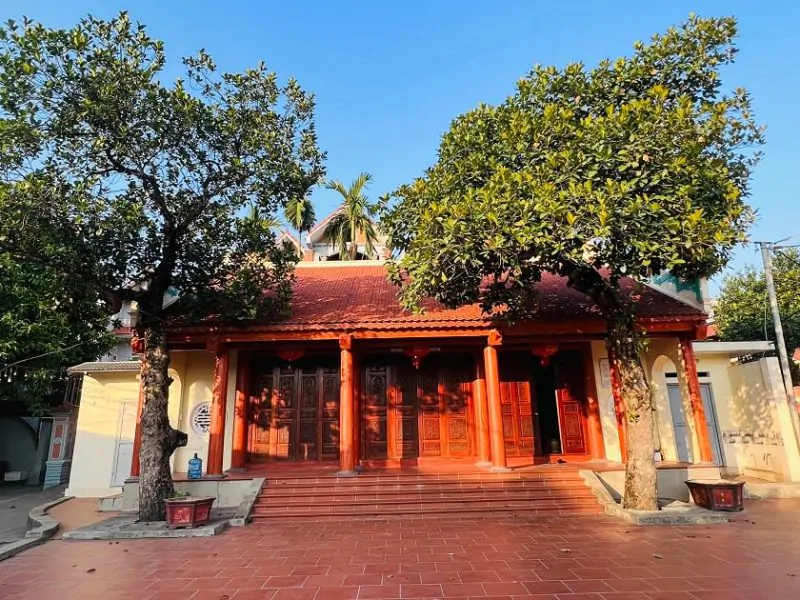
The Mỵ Châu Shrine is dedicated to the tragic princess Mỵ Châu, whose story is central to the legend of Co Loa. The shrine is a place of reflection and offers visitors a chance to learn more about her role in the citadel’s history. The shrine is often visited by locals who come to pay their respects and offer prayers.
5.5. Stop by Other Relics
Co Loa Citadel is dotted with various relics, including ancient cannons, statues, and stone inscriptions. These relics are scattered throughout the site and are accessible to visitors. Exploring these relics offers a deeper understanding of the citadel’s historical significance.
5.6. Take Part in the Co Loa Citadel Festival
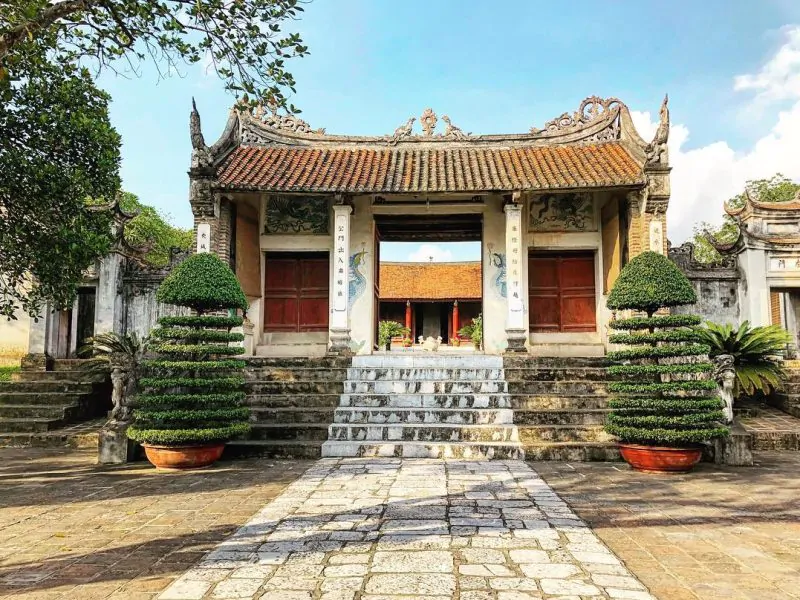
One of the highlights of visiting Co Loa is participating in the annual Co Loa Citadel Festival, held in honor of King An Dương Vương. The festival, which takes place in early spring, features traditional performances, processions, and rituals. It is a vibrant celebration of the citadel’s history and offers visitors a unique cultural experience.
6. Guide for Tourists to Co Loa Citadel
Planning a visit to Co Loa Citadel? Here’s a practical guide to help you make the most of your trip.
6.1. When to Visit?
The best time to visit Co Loa Citadel is during the spring and autumn months when the weather is pleasant and conducive to outdoor exploration. The Co Loa Citadel Festival, held in late January or early February, is an ideal time to experience the cultural vibrancy of the site. However, visitors should avoid the peak summer months (June to August) when temperatures can be quite high.
6.2. How to Get There?
By Bus: From Hanoi’s Old Quarter, you can take bus number 46 or 52 to Dong Anh District and then transfer to a local bus heading to Co Loa Commune. The journey typically takes about 45 minutes to an hour, depending on traffic.
By Taxi/Grab: Taxis and Grab rides are readily available in Hanoi and offer a convenient way to reach Co Loa Citadel. The ride takes approximately 30 minutes from the city center and costs around 150,000-200,000 VND.
By Motorbike: For those who prefer more flexibility, renting a motorbike is a popular option. The route to Co Loa is straightforward, and the ride offers scenic views of Hanoi’s countryside.
6.3. How Much is the Ticket?
The entrance fee to Co Loa Citadel is very affordable:
- Adults: 10,000 VND
- Children: 5,000 VND
These prices are subject to change during special events or festivals, so it’s advisable to check in advance if planning a visit during such times.
6.4. What to Note?
- Dress Appropriately: As a historical and cultural site, it’s important to dress respectfully when visiting Co Loa Citadel, especially when entering temples and shrines.
- Guided Tours: To fully appreciate the history and significance of Co Loa Citadel, consider hiring a local guide. Guided tours are available at the site, and they provide valuable insights that may not be available through self-exploration.
- Stay Hydrated: The citadel covers a large area, and exploring it requires a fair amount of walking. Bring water and snacks to stay hydrated and energized during your visit.
- Respect Local Customs: Co Loa Citadel is still a place of worship for many locals. Visitors should be mindful of this and respect the
7. Conclusion
Co Loa Citadel in Hanoi offers a fascinating journey into Vietnam’s ancient past, with its rich history, unique architecture, and legendary tales. Whether you’re exploring its majestic walls or participating in local festivals, Co Loa is an essential stop for any traveler interested in Vietnam’s cultural heritage. Make Co Loa Citadel part of your Vietnam Discovery Travel experience and enrich your itinerary with unforgettable historical insights. For more travel tips and personalized guidance, don’t hesitate to contact us via WhatsApp. We’re here to help you create the perfect adventure in Vietnam!