Discover the hidden gem of Hanoi’s Old Quarter – Bach Ma Temple. As the oldest temple in the city, it stands as a symbol of history, culture, and spiritual significance. Vietnam Discovery Tours takes you on an immersive journey through its rich heritage, captivating legends, and stunning architecture.

1. Introduction to Bach Ma Temple
Nestled in the heart of Hanoi’s vibrant Old Quarter, Bach Ma Temple is the city’s oldest temple and one of its most sacred spiritual sites. Located at 76 Hang Buom Street, this historical landmark serves as a bridge between the past and present, allowing visitors to dive deep into the history of Vietnam’s ancient capital. Established in the 11th century, Bach Ma Temple has long been revered for its mythical legends, particularly the story of the white horse – a symbol of power, protection, and prosperity in Vietnamese culture.
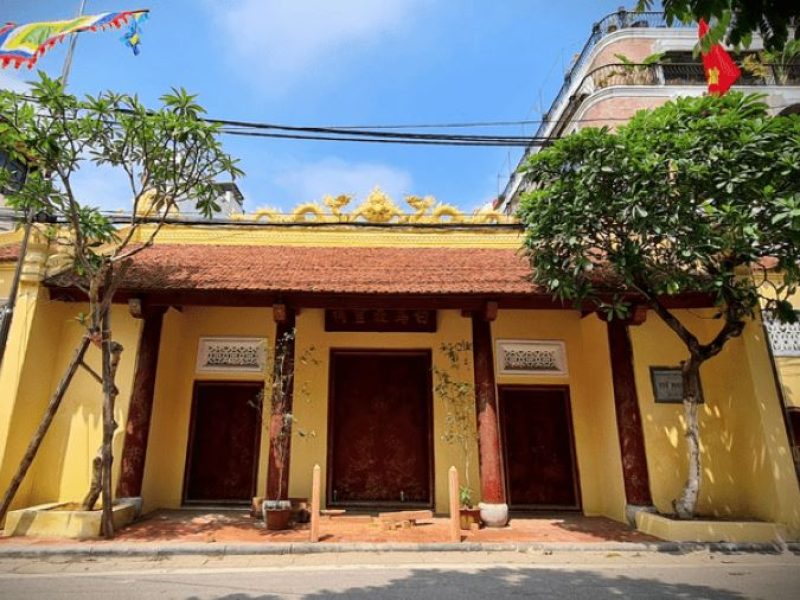
The temple is open daily from 8:00 AM to 11:00 AM, and again from 2:00 PM to 8:00 PM, offering ample time for visitors to explore its beautiful surroundings. Entrance to the temple is free of charge, making it a must-visit spot for both tourists and locals alike. Its central location and ease of access make it an ideal stop on any Hanoi itinerary.
2. Historical Significance of Bach Ma Temple
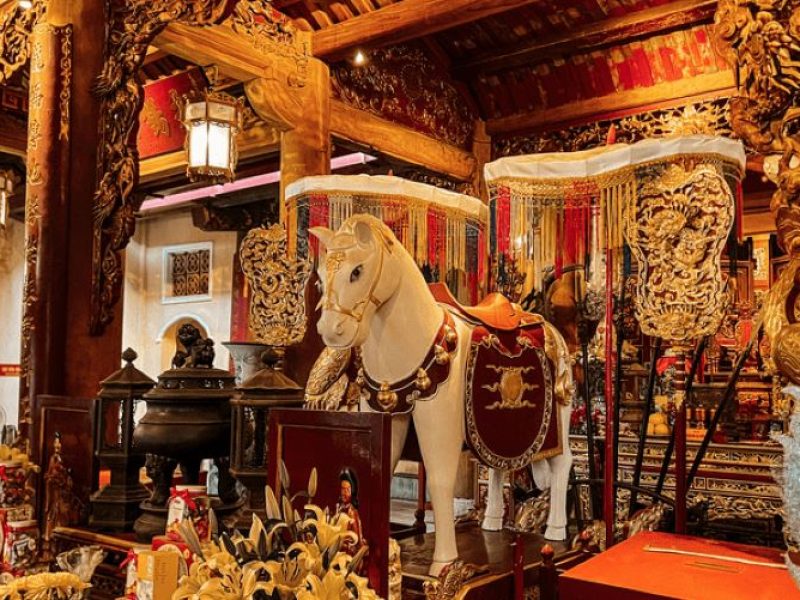
Bach Ma Temple, also known as the White Horse Temple, is an integral part of Hanoi’s spiritual and cultural history. Dating back to the Ly Dynasty, this temple was initially constructed during the reign of Emperor Ly Thai To. According to legend, the emperor saw a vision of a white horse that guided him in building the city’s ancient citadel, marking the place where Hanoi’s protective walls should be erected.
Over the centuries, Bach Ma Temple has evolved into more than just a place of worship – it’s also a symbol of Hanoi’s resilience and enduring cultural identity. During the Bach Ma Festival, held on the 12th and 13th days of the second lunar month, locals pay homage to the city’s guardian spirit, Long Do, who is believed to protect the capital from harm.
The temple has also been a sanctuary for Vietnamese emperors and officials throughout history, who would visit to pray for peace, prosperity, and protection from evil forces.
3. The Spiritual Role of Bach Ma Temple in Hanoi
Bach Ma Temple holds immense spiritual value to the people of Hanoi. It is considered one of the four “sacred guardians” of the city, collectively known as Thang Long Tu Tran, which includes temples dedicated to the spirits that protect the capital from all directions. Bach Ma is specifically regarded as the guardian of the East, where it stands to ward off evil spirits.
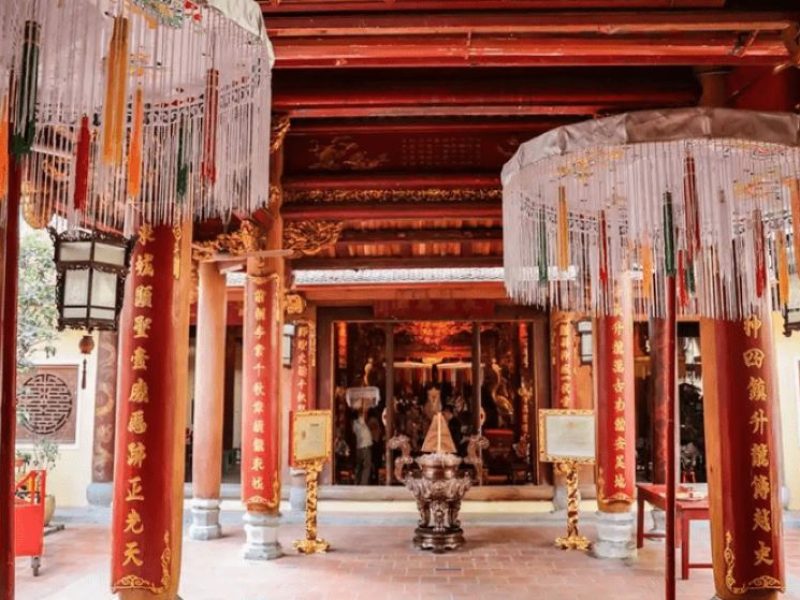
At the heart of the temple’s spiritual narrative is Long Do, the temple’s deity, who continues to be venerated by both locals and tourists alike. Visitors often come to the temple to offer prayers for good fortune, health, and success in their endeavors. The temple has also been an important site for emperors seeking divine approval and guidance for the city’s major decisions.
For locals, visiting Bach Ma Temple during the Tet Lunar New Year is a deeply ingrained tradition. The faithful believe that worshipping here during the first few days of the year ensures blessings, protection, and prosperity.
4. Detailed Exploration of Bach Ma Temple’s Architecture
Bach Ma Temple is an architectural marvel that beautifully exemplifies traditional Vietnamese temple design. Visitors are immediately greeted by the imposing temple façade, which is adorned with Co Ngu Hanh flags – five-colored banners representing the five elements of Eastern philosophy: fire, earth, wood, metal, and water.
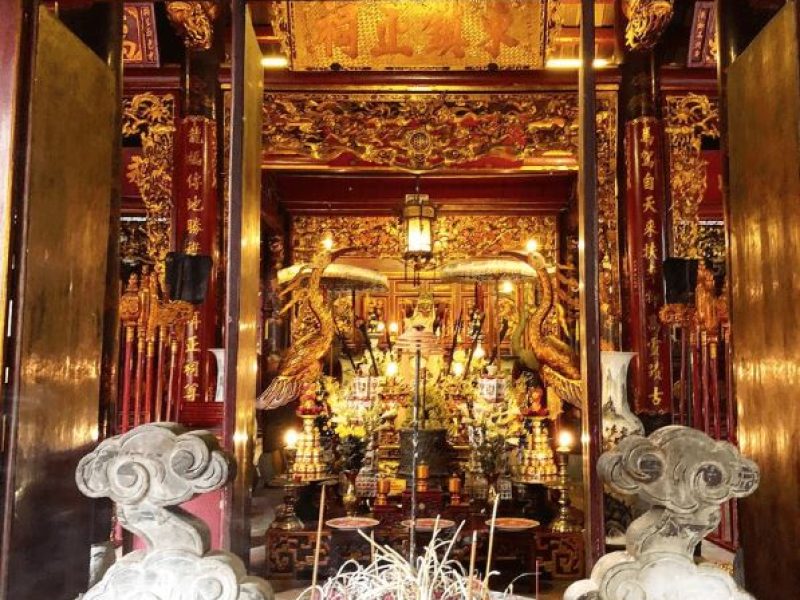
The temple’s roof, like many historic Vietnamese buildings, is covered in glazed terracotta tiles. Two intricately designed golden dragons sit perched atop the roof, their presence symbolizing protection and power. The entrance of the temple is adorned with massive wooden doors, intricately carved by skilled Vietnamese artisans, showcasing the craftsmanship of the time.
Inside, the temple is a treasure trove of historical artifacts. The main hall houses a majestic statue of the white horse, the temple’s namesake, which serves as a central symbol of the building’s origins and spiritual importance. The temple also contains beautifully lacquered woodwork in rich hues of red and gold, signifying wealth and status.
5. What to See Inside Bach Ma Temple
Bach Ma Temple is home to several historical artifacts, each of which holds deep cultural and spiritual value:
- Royal Decrees: Issued by past emperors, these documents detail the historical connection between the temple and the royal court.
- Bronze Bells: These ancient bells were used in religious ceremonies and reflect the superior craftsmanship of the era.
- Ceremonial Sedan Chair: A beautifully carved chair used for religious processions, it symbolizes the high importance of the temple’s rituals.
- Unique Vases: These porcelain and ceramic vessels, once used for offerings, showcase the artistic traditions of the time.
- Stelae: The temple boasts 15 stelae inscribed with information about its construction, renovation, and legends. These stelae offer a window into the beliefs, values, and historical events of Hanoi throughout the centuries.
Together, these artifacts offer visitors a chance to immerse themselves in Hanoi’s rich spiritual and historical heritage.
6. How to Get to Bach Ma Temple
Located in the heart of the Old Quarter, getting to Bach Ma Temple is convenient whether you’re on foot or using public transport. For visitors staying in the Old Quarter, the temple is just a short walk away.
- By Bus: Bus routes 01, 14CT, 18, 22A, 34, 43 stop near the temple, providing easy access to those using public transport.
- By Motorbike: If you’re riding a motorbike, head down Hang Dao Street from Dong Kinh Nghia Thuc Square, and take a left onto Hang Buom Street, where you’ll find the temple at number 76.
- Using Grab or Gojek: For a hassle-free experience, you can opt for ride-hailing services like Grab or Gojek, which will take you directly to the temple.
7. Planning Your Visit: Hours, Admission, and Tips
- Opening Hours: Bach Ma Temple is open daily from 8:00 AM to 11:00 AM and 2:00 PM to 8:00 PM.
- Admission: The temple is free to enter, making it a perfect addition to any Hanoi itinerary.
- Dress Code: As with any sacred site in Vietnam, it’s essential to dress respectfully. Avoid shorts and sleeveless tops, and be mindful of your behavior inside the temple.
- Visitor Tips:
- It’s recommended to bring a camera, but refrain from taking photos in sacred areas.
- The temple can get crowded during major festivals, so it’s best to visit in the early morning or late afternoon.
8. Nearby Attractions to Explore
While visiting Bach Ma Temple, make sure to take time to explore the surrounding areas. A few must-see spots near the temple include:
- Hoan Kiem Lake: Located just a 10-minute walk away, this serene lake is the perfect spot for an afternoon stroll.
- Dong Xuan Market: Hanoi’s largest market, where you can experience local shopping and try traditional Vietnamese street food.
- Old Quarter: Lose yourself in the narrow streets of Hanoi’s Old Quarter, where history and modernity blend seamlessly.
9. Conclusion
A visit to Bach Ma Temple is a must for any traveler looking to delve deep into the spiritual heart of Hanoi. With its rich history, stunning architecture, and deep-rooted cultural significance, this temple offers a truly immersive experience. Whether you’re a history buff, culture enthusiast, or spiritual seeker, Bach Ma Temple is an essential stop on your journey through Vietnam.
For more unique experiences in Hanoi and throughout Vietnam, contact Vietnam Discovery Tours via WhatsApp to plan your perfect trip. With our expert guides, personalized itineraries, and in-depth knowledge, we ensure that every aspect of your journey is unforgettable.