One Pillar Pagoda, also referred as Chua Mot Cot, Dien Huu or Lien Hoa Dai is famous for its impressive architecture and historical values. The shape of pagoda is said to present a lotus flower growing out of water and related to the nice legend of Ly King. The pagoda is located in Ba Dinh district next to the complex of Ho Chi Minh Mausoleum and it is one of the favorite stops in the Hanoi City Tour and here is some information related to One Pillar pagoda.
1. History of One Pillar Pagoda
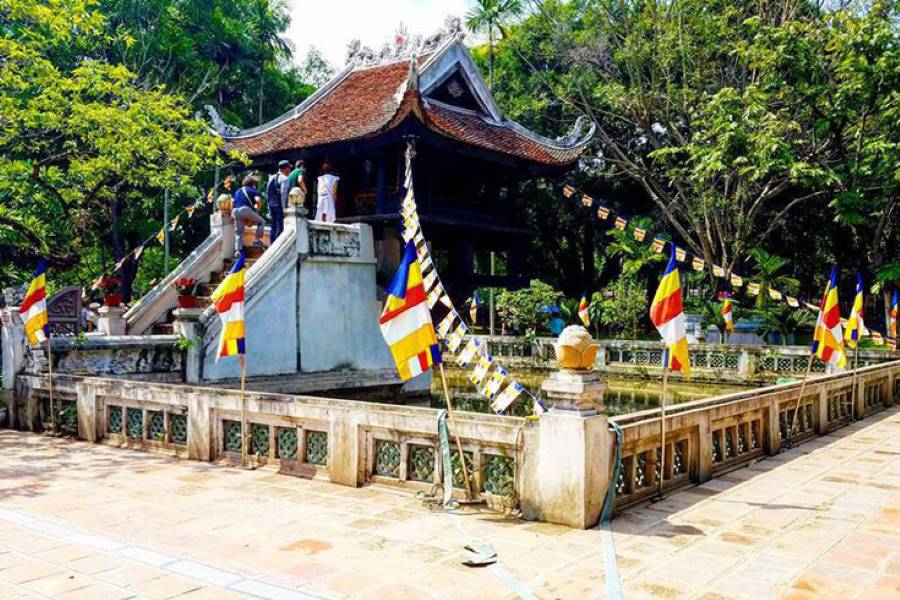
Pagoda was first built on one wooden pillar, later renovated to concrete one.
One Pillar Pagoda was first built in 1049, during the reign of Emperor Ly Thai Tong. Legend said that the Emperor was old but had no child. He often went to pagodas to pray for a son. One night, he dreamt of seeing Guan Yin Buddha (Quan The Am Bo Tat) sitting in a lotus throne Quan and giving him a baby. Not long after that, the queen gave birth to a prince. Then he decided to build this pagoda to show his deep gratitude to Quan The Am Bo Tat. The pagoda was first named Dien Huu pagoda which means “long happiness and prosperity”. On 8th April of lunar calendar, the Emperor visited the pagoda to attend the ritual of Bathing the Buddha with all monks of the capital then release birds.
Through many decades, the pagoda was repaired and restored several times. In 1105, King Ly Nhan Tong extended the pagoda and added Linh Chieu pond and a gilded lotus throne atop. In 1954, French colonists used explosives to destroy the pagoda before withdrawing from Vietnam. But after one year, in 1955, the municipal government restored the pagoda and it remains as this shape until now.
2. Unique Architecture of One Pillar Pagoda
This pagoda is distinctive and unique in terms of architecture. The structure includes 3 parts: a single pillar, Lien Hoa Dai and a curved pagoda roof.
The pillar is actually made of 2 stone blocks connected each other skillfully. This stone pillar is approximately 4m high (excluding the sinking part under the foot) and 1.2m in diameter.
Designed as shape of lotus bud growing out of water
Lien Hoa Dai is a wooden square structure with each side of 3m width. There is a statue of Guan Yin Buddha worshiped inside the pagoda. The statue was designed following the dream of the King Ly Thai Tong – Guan Yin Buddha sitting on a lotus.

The main alter inside the pagoda worshiping Buddha
The roof is considered as the most important part of the whole work, especially to religious buildings. One Pillar Pagoda’s roof is curved in all 4 sides with 3m width.
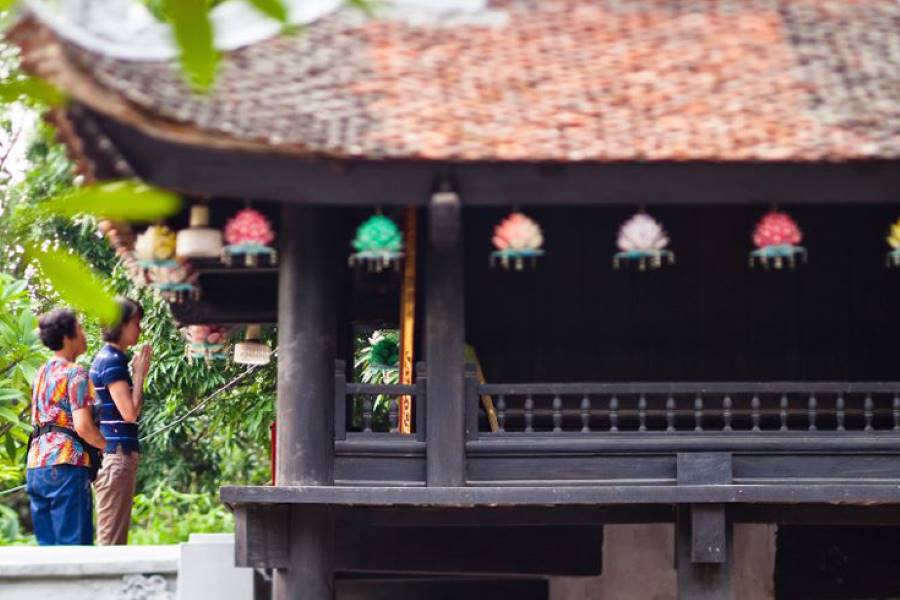
Architecture style of One Pillar Pagoda’s roof
It is decorated with traditional patterns of two dragons facing the moon. This pattern, to Vietnamese people, symbolizes the holy power bringing the wish for wisdom and vitality of human beings.
The pagoda’s structure also shows the harmonious combination of imagination and unique architecture with a system of wood beams that create the solidity and beauty for the pagoda. With its great historical and architectural values, One Pillar Pagoda was officially recognized as “The Pagoda with the Most Unique Architecture in Asia” by the Asia Record Organization in 2012.
3. Meaning
More local visitors to Pagoda on the first and mid of Moon calendar
One Pillar Pagoda is the cultural and historical symbol for a thousand year civilization in Hanoi. It was designed to resemble a blossom lotus emerging from the water’s surface. The lotus flower is known as the flower of the dawn and is the symbol of purity, purity, serenity, commitment and optimism for the future. The local people often come here to pray for happiness, success and luck.
4. How to get to One Pillar Pagoda
One Pillar Pagoda is situated next to Ho Chi Minh Mausoleum, about 3km far from Hoan Kiem Lake. You can combine a visit to Ho Chi Minh Mausoleum Complex with One Pillar Pagoda in your Hanoi city tour itinerary. Local bus, taxi and motorbike-taxi are easily found to get these sights. However, it is recommended to book a private tour with local guide, which helps you understand and learn more about Hanoi’s culture and history.
Location: Chua Mot Cot Street, Ba Dinh District, Hanoi.
Opening hours: 07:00 – 18:00 every day
Entrance Fee: Free
Dress code: Avoid to wear tank-top and short. It is recommended to wear clothes covering your knees and shoulders to show your respect and appropriate to native culture.
5. Suggest visiting spots near the one-pillar pagoda
When organizing your visit to the One Pillar Pagoda, don’t miss out on exploring the numerous incredible destinations beyond its vicinity. Consider venturing to captivating locales such as:
1. Ho Chi Minh Mausoleum: Pay homage to the revered leader of Vietnam, Ho Chi Minh, by visiting his final resting place, located nearby.
2. Temple of Literature (Van Mieu): Explore Vietnam’s first national university and temple dedicated to Confucius, showcasing stunning traditional Vietnamese architecture and tranquil gardens.
3. Hoan Kiem Lake and Ngoc Son Temple: Enjoy a leisurely stroll around the scenic Hoan Kiem Lake, home to the iconic Turtle Tower, and visit the historic Ngoc Son Temple located on a small island in the lake.
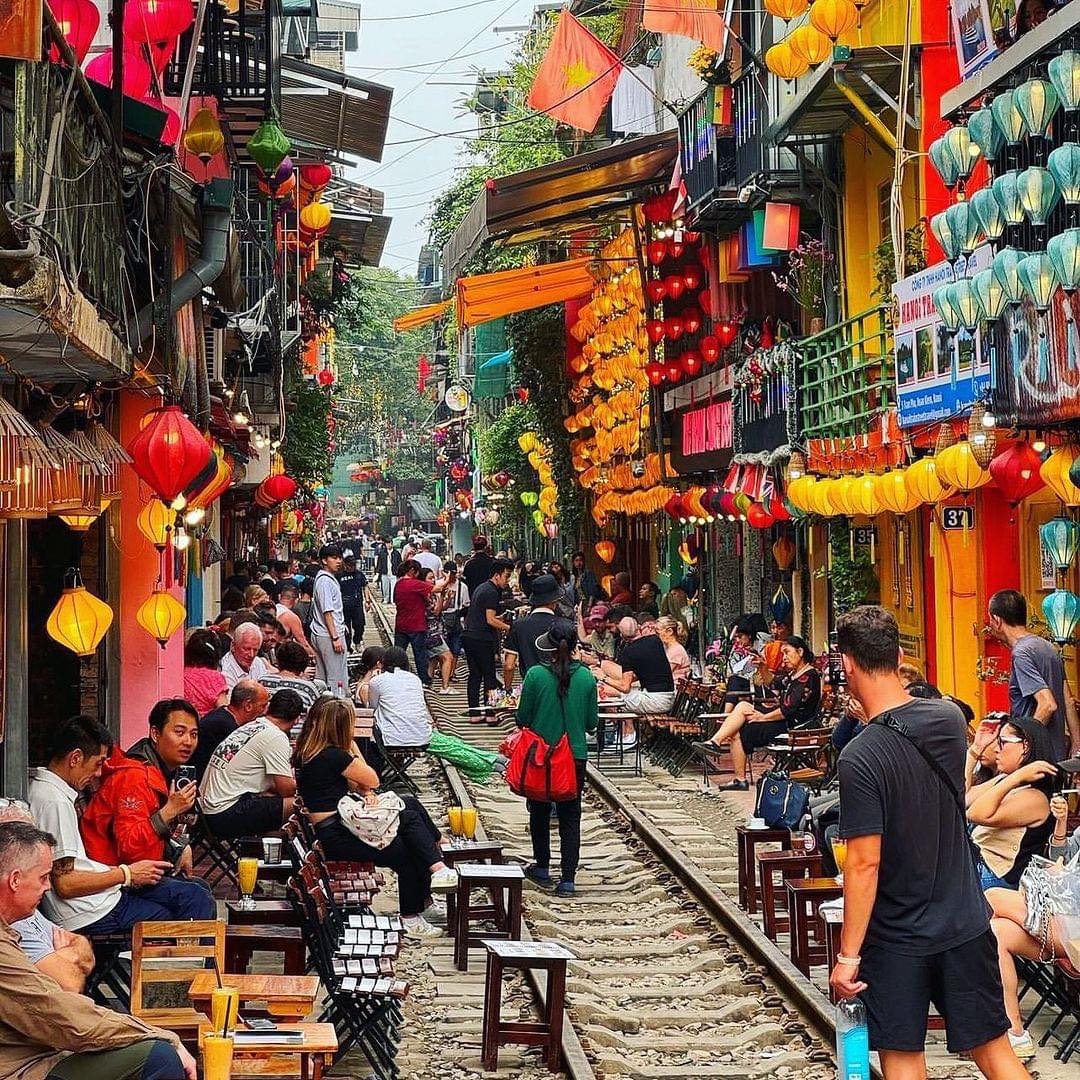
4. Hanoi Old Quarter: Immerse yourself in the bustling atmosphere of Hanoi’s historic Old Quarter, known for its narrow streets, traditional shophouses, vibrant markets, and delectable street food.
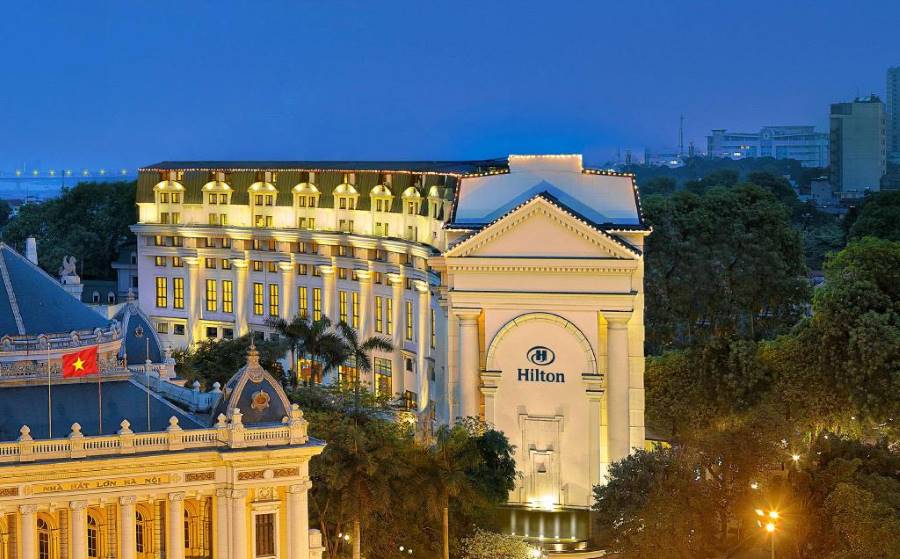
5. Hoa Lo Prison Museum: Gain insight into Vietnam’s tumultuous history by visiting this former French colonial prison, famously known as the “Hanoi Hilton,” which housed political prisoners during the Vietnam War.
6. Vietnam Museum of Ethnology: Discover the diverse cultures and ethnic groups of Vietnam through fascinating exhibits and outdoor displays showcasing traditional artifacts, clothing, and architecture.
7. West Lake (Ho Tay): Relax and unwind by the picturesque West Lake, the largest freshwater lake in Hanoi, offering scenic views, lakeside cafes, and cultural attractions like Tran Quoc Pagoda.
Exploring these captivating destinations will enrich your experience in Hanoi, offering a deeper understanding of its history, culture, and vibrant atmosphere.
To ensure your trip is optimized, meticulous planning and early bookings are crucial. Among the numerous tour operators available, Vietnam Discovery Tours stands out with their seamless coordination via email and WhatsApp. They handle every detail, including airport transfers, accommodations, knowledgeable guides, chauffeurs, and personalized activities.
With their expertise, they customize your itinerary to match your schedule and preferences, guaranteeing a flawless journey across Vietnam. Let Vietnam Discovery Tours enhance your travel experience, crafting unforgettable memories in this enchanting country.
Frequently Asked Questions About the One Pillar Pagoda
Is the One Pillar Pagoda free to visit?
Yes, entry is free. It is open daily from 7:00 AM to 6:00 PM.
How far is it from Hoan Kiem Lake and the Old Quarter?
About 3 km, roughly a 10-15 minute taxi or Grab ride. Most visitors combine it with the nearby Ho Chi Minh Mausoleum in the same trip.
How long does a visit take?
The pagoda itself is tiny, so 15-20 minutes is enough on its own. Most visitors pair it with the Ho Chi Minh Mausoleum complex for a half-day outing instead.
What does the lotus shape symbolize?
The single pillar and lotus-shaped roof represent a lotus blossom rising from the water, a Buddhist symbol of purity and renewal.
Is there a dress code?
Yes. Cover your shoulders and knees, and avoid tank tops or shorts – the neighbouring Ho Chi Minh Mausoleum complex enforces this strictly, and guards here do too.
Want to see the One Pillar Pagoda and Ho Chi Minh Mausoleum in one day? Browse our Hanoi tours.